Green Building in Massachusetts: Tax Credits, Incentives, and What It Means for Your Home
Green Building in Massachusetts: What Homeowners Need to Know
Green building is no longer a niche concept reserved for architects or environmentalists. It is rapidly becoming the standard for
new home construction in Massachusetts — and for good reason. A well-built green home costs less to operate, holds its value better over time, provides a healthier indoor environment for the people who live in it, and puts significantly less strain on natural resources. As energy costs continue rising across New England, the financial case for building green has never been stronger.
At
Baystate Group Builders, green building is at the core of how we work. Our team holds active certifications, and our recent custom home build in Lexington achieved a HERS score of 37 — the best score in that town over the previous two years, and among the top-performing new homes in Massachusetts. We know firsthand that building green is not just about doing the right thing for the planet. It is about delivering a home that performs, lasts, and saves money for the people who live in it for decades to come.
This guide covers what green building actually means in practice, why it delivers real value for Massachusetts homeowners, and — critically — what financial incentives, tax credits, and rebate programs are available in 2026 to help offset the cost of building or upgrading a high-performance home.
What Is Green Building? A Working Definition
Green building is the practice of designing and constructing homes that use energy, water, and materials more efficiently than a conventionally built home — while also creating a healthier indoor environment and minimizing waste throughout the construction process. A green home is not defined by a single feature. It is the result of dozens of intentional decisions made at every stage of design and construction, working together as a system.
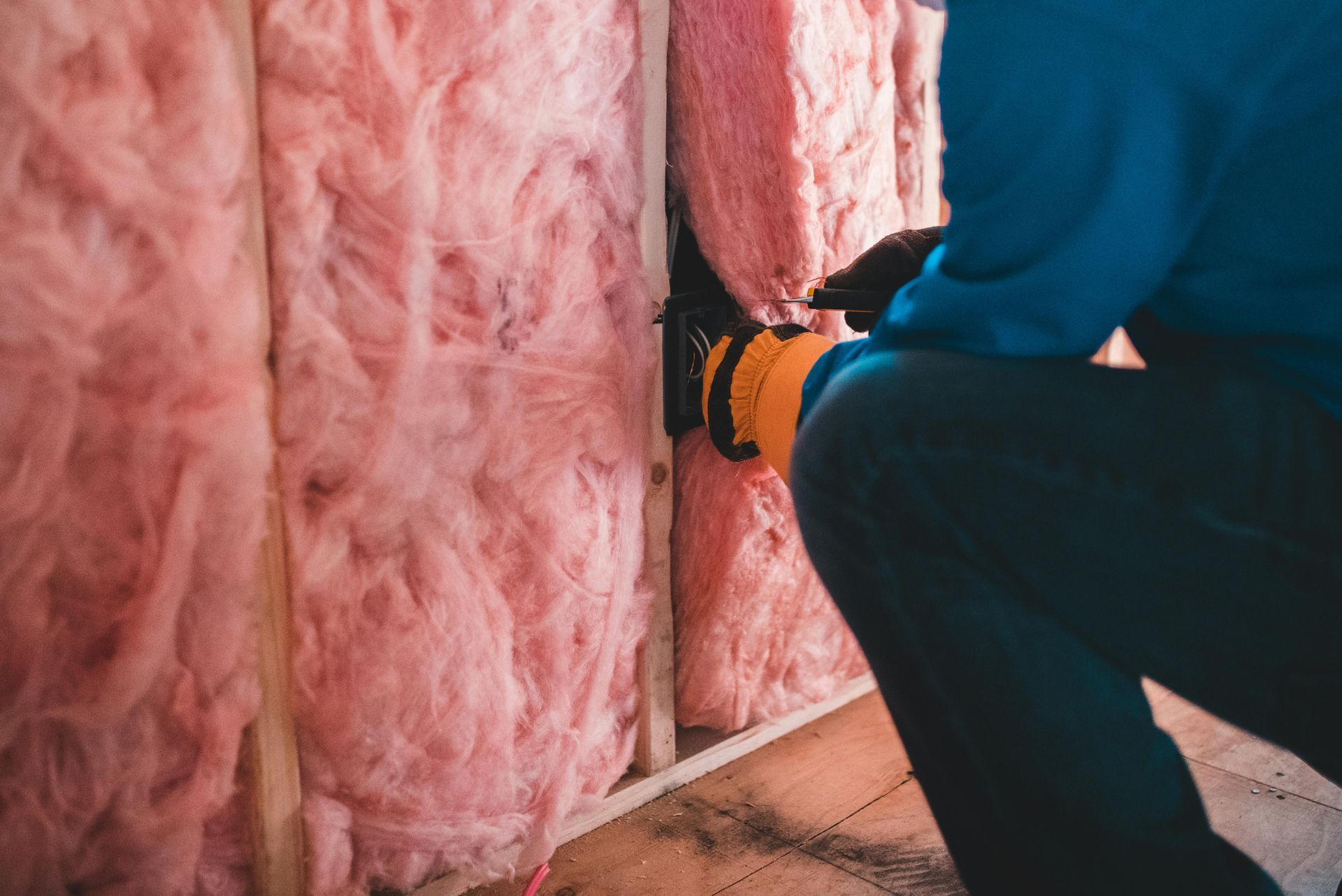
The most important elements of a high-performance green home include the building envelope — the combination of insulation, air sealing, windows, and doors that determines how well the home holds conditioned air. A tight, well-insulated envelope is the foundation of energy efficiency because it reduces the load on your heating and cooling systems from the ground up. No amount of high-efficiency HVAC equipment can fully compensate for a leaky, poorly insulated building shell.
Mechanical systems are the next major layer. Green homes rely on air-source heat pumps or geothermal heat pumps for heating and cooling, heat pump water heaters, and energy recovery ventilators (ERVs) or heat recovery ventilators (HRVs) to bring in fresh air without losing conditioned air. These systems operate at a fraction of the energy cost of traditional gas or oil furnaces and water heaters, and they dramatically reduce or eliminate a home's dependence on fossil fuels.
Green building also encompasses material selection — using FSC-certified lumber, low-VOC paints and finishes, recycled content materials, and durable products that require minimal replacement over the life of the home. The indoor air quality benefits of these choices are significant. Low-VOC finishes and proper ventilation design mean the air inside a green home is cleaner than the air inside a conventionally built home — sometimes dramatically so.
Finally, green building increasingly incorporates solar-ready design, EV charging infrastructure, water conservation features, and site design that preserves existing vegetation and manages stormwater naturally. The most forward-thinking green builds today are designed to be net-zero — producing as much energy as they consume over the course of a year.
Why Green Building Makes Financial Sense in Massachusetts
The most common objection to green building is upfront cost. It is true that high-performance mechanical systems, premium insulation, triple-pane windows, and green-certified materials often carry a higher initial price tag than conventional alternatives. But evaluating green building on upfront cost alone misses the full financial picture — and in Massachusetts, where energy prices rank among the highest in the country, the math tends to strongly favor green construction over the long term.
Energy savings are the most direct financial benefit. Our Lexington build achieved an estimated annual energy cost of just $1,512. A comparable conventionally built home of similar size in Massachusetts would typically carry annual energy costs two to four times higher — often $4,000 to $8,000 per year or more depending on size, system type, and usage. Over a 30-year mortgage, the cumulative savings from lower energy bills in a green-built home can easily reach $100,000 or more, far exceeding any upfront premium paid for green features.
Property value is a second major financial consideration. Multiple studies from the National Association of Realtors and the Appraisal Institute have found that energy-efficient, green-certified homes sell at premiums of 5% to 10% or more above comparable non-certified homes. In the competitive Massachusetts real estate market — particularly in Middlesex County towns like Lexington, Concord, Wayland, and Hopkinton — buyers are increasingly sophisticated about asking for HERS scores, ENERGY STAR certifications, and utility cost estimates. A green-built home stands out and commands a premium at resale.
Durability and maintenance costs are a third benefit that rarely gets enough attention. Green building materials and systems are selected for longevity, not just energy performance. Fiber cement siding, composite decking, high-quality roofing systems, and heat pump equipment with fewer mechanical components than legacy gas furnaces all contribute to lower maintenance costs over the life of the home. When a green home is built right, it is simply built to last.
HERS Scores: How Green Building Performance Is Measured
The Home Energy Rating System (HERS) is the national standard for measuring the energy efficiency of a residential building. A HERS score of 100 represents the energy use of a typical code-built home from 2006. A score below 100 means the home is more efficient than that baseline. A score of 0 represents a net-zero energy home. The lower the score, the better.
Most conventionally built Massachusetts homes completed today score in the 60 to 75 range, meaning they use 60 to 75 percent of the energy of a 2006 baseline home. ENERGY STAR certified new homes are required to score 57 or lower. A DOE Zero Energy Ready Home typically scores 45 or below. Our Lexington build scored a 37 — reflecting the exceptional performance of its air-source heat pump system, advanced insulation, energy recovery ventilation, and 100% LED lighting throughout.
HERS ratings are conducted by independent, third-party certified raters and require on-site testing including a blower door test for air leakage and duct leakage testing where applicable. The certification process is rigorous and the score is independently verified — it cannot be self-reported by the builder. When evaluating any green home claim from a contractor, asking for the independently verified HERS score is the most reliable way to assess actual performance.
Federal Tax Credits for Green Building in 2026: What's Still Available
This is where homeowners and builders need to pay close attention — because the federal incentive landscape changed significantly at the end of 2025, and a lot of information circulating online is already out of date. Here is an accurate summary of what is and is not available federally as of March 2026.
What Expired at the End of 2025
The "One Big Beautiful Bill" signed in 2025 accelerated the phase-out of most residential clean energy and energy efficiency tax credits that were established under the Inflation Reduction Act of 2022. The following credits are no longer available for work completed after December 31, 2025:
- Section 25C — Energy Efficient Home Improvement Credit: This credit offered homeowners up to $3,200 per year (30% of eligible costs) for improvements to existing homes including insulation, air sealing, windows, doors, and HVAC systems. It expired December 31, 2025. Improvements installed and paid for by that date can still be claimed on 2025 tax returns.
- Section 25D — Residential Clean Energy Credit: This 30% credit covered rooftop solar, battery storage, geothermal heat pumps, and other renewable energy installations. It also expired December 31, 2025 for new installations. Systems placed in service before that date remain eligible to be claimed on 2025 returns.
If you completed eligible upgrades before December 31, 2025, you can and should still claim these credits on your 2025 federal tax return using IRS Form 5695. The expiration is prospective — it does not eliminate credits already earned on qualifying work completed before the deadline.
Section 45L — New Energy Efficient Home Credit (Still Active Through June 30, 2026)
This is the most significant remaining federal green building credit for new construction, and it applies directly to builders of new energy-efficient homes — making it relevant to anyone building a custom home or ADU with Baystate Group Builders right now. Under Section 45L, an eligible contractor who builds a qualifying new energy-efficient home can claim a federal tax credit of up to $5,000 per home. The credit amounts are:
- $2,500 per home for homes certified to ENERGY STAR Single-Family New Homes (SFNH) program requirements
- $5,000 per home for homes certified to the DOE Zero Energy Ready Home (ZERH) program requirements
The credit is claimed by the eligible contractor — the party that owns and builds the home — not the homeowner. However, this incentive directly affects the economics of building a green home and can be passed through to buyers in the form of pricing. Homes sold or transferred before July 1, 2026 qualify for the credit. If you are planning a new custom home build and want it to qualify under 45L, the timing is important — the home must be completed and acquired (sold or transferred) before June 30, 2026.
The 45L credit requires independent third-party certification through the ENERGY STAR or DOE ZERH program. It cannot be self-certified by the builder. Our team works with certified HERS raters who can provide the required documentation as part of the build process.
Massachusetts State Incentives: Mass Save Programs in 2026
While federal residential credits have largely wound down, Massachusetts homeowners have access to some of the strongest state-level green building incentive programs in the country through Mass Save — the statewide energy efficiency program administered by Massachusetts utilities including Eversource, National Grid, and Unitil. Mass Save programs are funded through utility ratepayers and are separate from federal tax credits, meaning they remain available regardless of what happens at the federal level.
Mass Save Home Energy Assessments (No Cost)
The starting point for any Mass Save incentive is the no-cost Home Energy Assessment. A Mass Save Energy Specialist visits your home, evaluates your insulation, air sealing, heating and cooling systems, and water heater, and identifies opportunities for efficiency improvements. You receive a written report with recommendations and a summary of available incentives. For homeowners who have not had an assessment recently, this is the single highest-value first step — it is free, it takes about two hours, and it unlocks access to rebates and financing that can be worth thousands of dollars.
Insulation and Air Sealing Rebates
Mass Save offers rebates of 75% to 100% of the cost of approved insulation and air sealing improvements. Income-eligible households may qualify for no-cost insulation and air sealing upgrades — meaning the work is done at zero out-of-pocket cost. For a typical Massachusetts home, insulation and air sealing work can cost $5,000 to $15,000, so a 75% to 100% rebate represents very significant savings. As of 2024, Mass Save has also discontinued incentives for projects that use natural gas, oil, or propane equipment, so new projects must meet electrification requirements to qualify for incentives.
Heat Pump Rebates
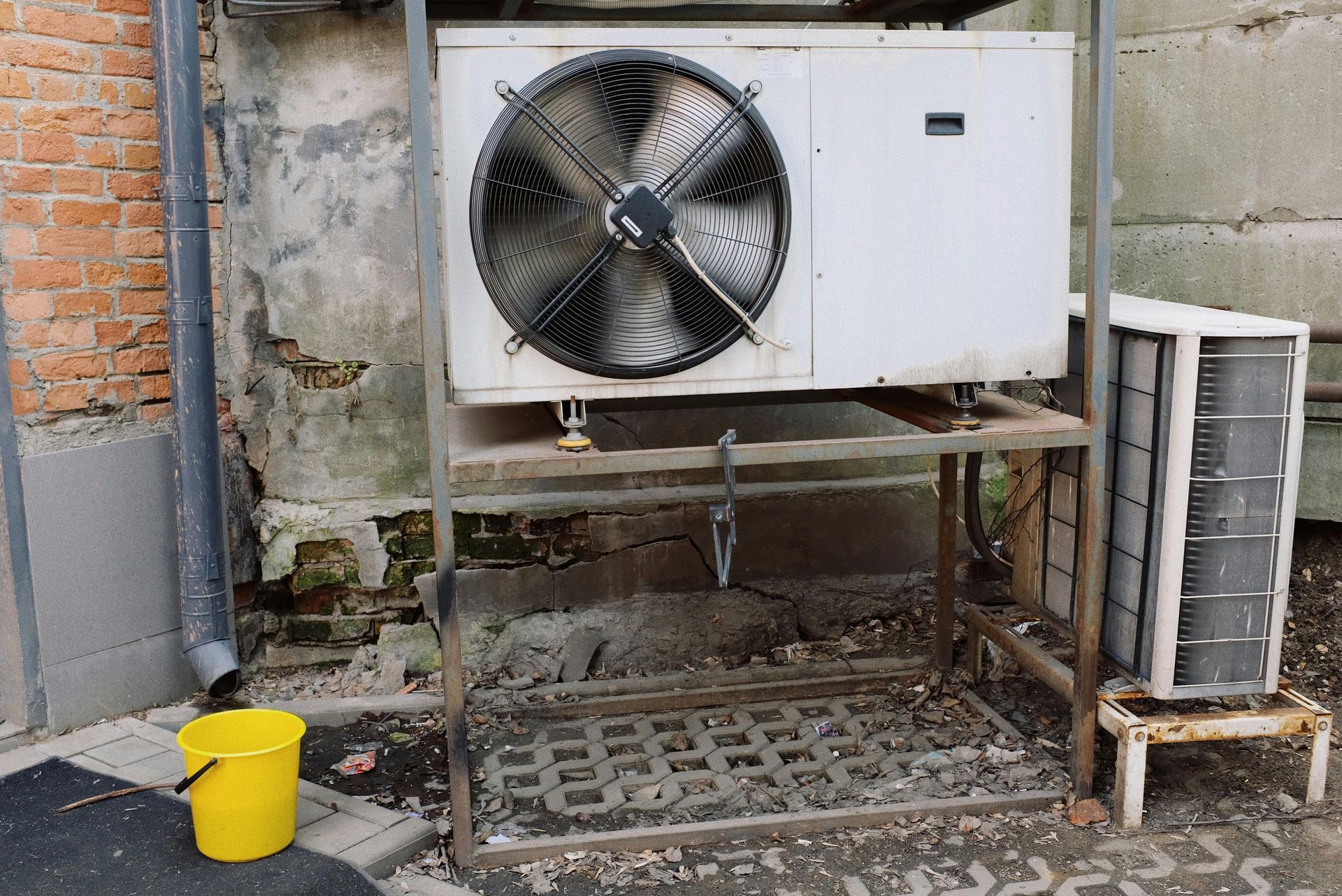
Mass Save offers substantial rebates for the installation of qualifying air-source heat pumps and heat pump water heaters. Enhanced rebates are available for income-eligible households, with some qualifying for no-cost heat pump installation. For standard rebates, homeowners can receive meaningful per-unit incentives that reduce the net cost of switching from a gas or oil system to a heat pump. The specific rebate amounts vary by product type and income level — your Home Energy Assessment will identify which rebates apply to your specific situation.
Mass Save HEAT Loan (0% Financing)
For qualifying energy efficiency improvements that are not fully covered by rebates, Mass Save offers the HEAT Loan — a 0% interest financing program for eligible Massachusetts homeowners. The HEAT Loan covers up to $25,000 in eligible project costs, including weatherization, insulation, heat pump systems, heat pump water heaters, and ENERGY STAR certified replacement windows when combined with weatherization. Zero-percent financing for a $25,000 energy upgrade is a genuinely exceptional financial tool — the equivalent of a $25,000 interest-free loan from the Commonwealth for making your home more efficient.
Mass Save Renovations and Additions Program
For homeowners undertaking significant additions or renovations — including the type of whole-home remodels and additions that Baystate Group Builders regularly delivers — Mass Save offers a dedicated Renovations and Additions incentive program. The program provides performance-based incentives for incorporating energy-efficient upgrades into the scope of a renovation or addition, calculated using a pay-for-savings approach verified by a certified HERS rater. This program requires working with an approved HERS rater from the outset of your project and includes a mid-construction insulation inspection and a final energy performance verification. Eligible improvements include insulation, air sealing, heat pump systems, and ventilation upgrades.
SMART Program for Solar
The Solar Massachusetts Renewable Target (SMART) program provides production-based incentives for rooftop solar installations on residential properties. Unlike a tax credit, the SMART program pays a fixed rate per kilowatt-hour of electricity generated by your system over a 10-year period. SMART 2.0 remains open for applications through December 21, 2026 for projects that began construction before December 31, 2025. SMART 3.0 is available for projects that began construction after June 20, 2025. For most residential solar installations under 25 kilowatts, SMART 3.0 provides a fixed incentive of $0.03/kWh. Combined with net metering — which allows you to sell excess solar generation back to the grid for a bill credit — solar continues to be a financially compelling investment for Massachusetts homeowners even after the expiration of the federal 25D credit.
Green Building and ADUs: A Natural Pairing
One of the most compelling applications of green building principles in Massachusetts right now is in ADU construction. Under the Affordable Homes Act, ADUs are now permitted by right in single-family zoning districts across the state — and building that ADU to green standards from the ground up is the single best opportunity to maximize its long-term value and minimize its operating costs.
A green-built ADU designed to ENERGY STAR certification standards with a heat pump system, heat pump water heater, advanced insulation, and solar-ready design will carry dramatically lower utility costs than a code-minimum build. If you are planning to rent the unit, lower utility costs — whether paid by you as the landlord or passed to a tenant — make the unit more competitive and more profitable. If you are building an ADU for a family member, you are giving them the gift of a healthy, comfortable, low-cost home for decades. Either way, the green building premium on an ADU is typically modest relative to the total project cost, and the long-term financial return is significant.
Our team designs every ADU with green performance in mind from day one. That means sizing the mechanical systems correctly for a smaller footprint, specifying insulation levels that meet or exceed ENERGY STAR requirements, and designing the building envelope for airtightness. We also work with certified HERS raters to document performance and unlock any available Mass Save incentives that apply to the ADU project.
Frequently Asked Questions About Green Building in Massachusetts
Are there still federal tax credits for green building in 2026?
The major residential federal tax credits — Section 25C for home improvements and Section 25D for solar and clean energy — expired at the end of 2025 under the One Big Beautiful Bill. For new home construction, Section 45L (the New Energy Efficient Home Credit) remains available for homes acquired before June 30, 2026, with credits of up to $5,000 per home for ENERGY STAR or Zero Energy Ready Home certified new construction. If you completed qualifying improvements before December 31, 2025, you can still claim those credits on your 2025 federal tax return.
What Mass Save rebates are available for a new home construction project?
Mass Save offers several programs relevant to new construction and major renovations, including the Renovations and Additions incentive program (performance-based incentives verified by a HERS rater), heat pump rebates, and HEAT Loan 0% financing for up to $25,000 in qualifying upgrades. Starting January 1, 2025, Mass Save discontinued incentives for projects that install fossil fuel equipment — all new projects must meet electrification prerequisites to qualify for incentives.
What is a HERS score and why does it matter?
A HERS (Home Energy Rating System) score is an independently verified measure of a home's energy efficiency. A score of 100 is the 2006 code baseline; lower is better. ENERGY STAR new homes must score 57 or below. DOE Zero Energy Ready Homes typically score 45 or below. Baystate Group Builders achieved a HERS score of 37 on a recent Lexington build — among the best scores in the area. A lower HERS score means lower energy bills, higher resale value, and eligibility for green building certifications and incentives.
Does green building cost significantly more than conventional construction?
The upfront cost premium for a green-built home typically ranges from 5% to 15% above conventional construction, depending on the level of certification pursued and the specific systems specified. However, over a 10 to 20 year horizon, the savings on energy costs, reduced maintenance, and premium resale value consistently outperform the upfront investment — particularly in Massachusetts, where energy costs are among the highest in the country. Mass Save rebates and the HEAT Loan can also reduce the effective upfront cost significantly.
What certifications should I look for in a green home builder?
The most recognized green building certifications for residential new construction are ENERGY STAR for New Homes and the DOE Zero Energy Ready Home program. Both require independent third-party verification by a certified HERS rater. When evaluating any builder's green building claims, ask for independently verified HERS scores from completed projects, confirmation that certifications are issued by third-party raters (not self-reported), and evidence of relevant training or certification for the project team.
Is Massachusetts a good state for solar?
Yes. Massachusetts consistently ranks among the top states for residential solar due to its net metering policy, the SMART production incentive program, and historically high utility rates that increase the financial return on solar investment. Even after the expiration of the federal Section 25D credit at the end of 2025, Massachusetts solar remains financially compelling for most homeowners with adequate roof exposure. Baystate Group Builders designs all new homes as solar-ready, meaning roof orientation, structural framing, and electrical panel capacity are all specified to facilitate a future solar installation even if you do not install panels at the time of construction.
Build Green With Baystate Group Builders
Green building is not a checkbox or an add-on at Baystate Group Builders — it is how we build. Every custom home and ADU we deliver incorporates the principles of high-performance construction: tight building envelopes, right-sized mechanical systems, certified materials, and third-party verified energy performance. Our record HERS score of 37 in Lexington is not an anomaly. It is the result of a deliberate approach to construction that our team has refined across hundreds of projects in Middlesex and Worcester Counties since 2005.
If you are planning a custom home, an ADU, or a major renovation in Massachusetts and want to understand what green building would mean for your specific project — what it costs, what incentives are available, and what kind of energy performance you can expect — we would be glad to walk you through it. Schedule a free consultation with our team, and let us show you what a high-performance home looks like from the inside.
For more on our specific green building approach and certifications, visit our Green Building page. And if you are considering an ADU alongside your green home build, see our ADU Construction services for details on how we approach accessory dwelling units in Massachusetts.