Massachusetts ADU Permitting Guide: What You Need to Build One in 2026
ADU Permitting in Massachusetts
Massachusetts homeowners have more opportunity than ever to build an Accessory Dwelling Unit on their property. Since February 2, 2025, the Affordable Homes Act has made ADUs legal by right in every single-family zoning district across the Commonwealth — no special permit, no zoning board hearing, no variance required. But "by right" does not mean permit-free. Understanding exactly which permits, inspections, and compliance documents you need is the difference between a smooth project and a costly legal headache.
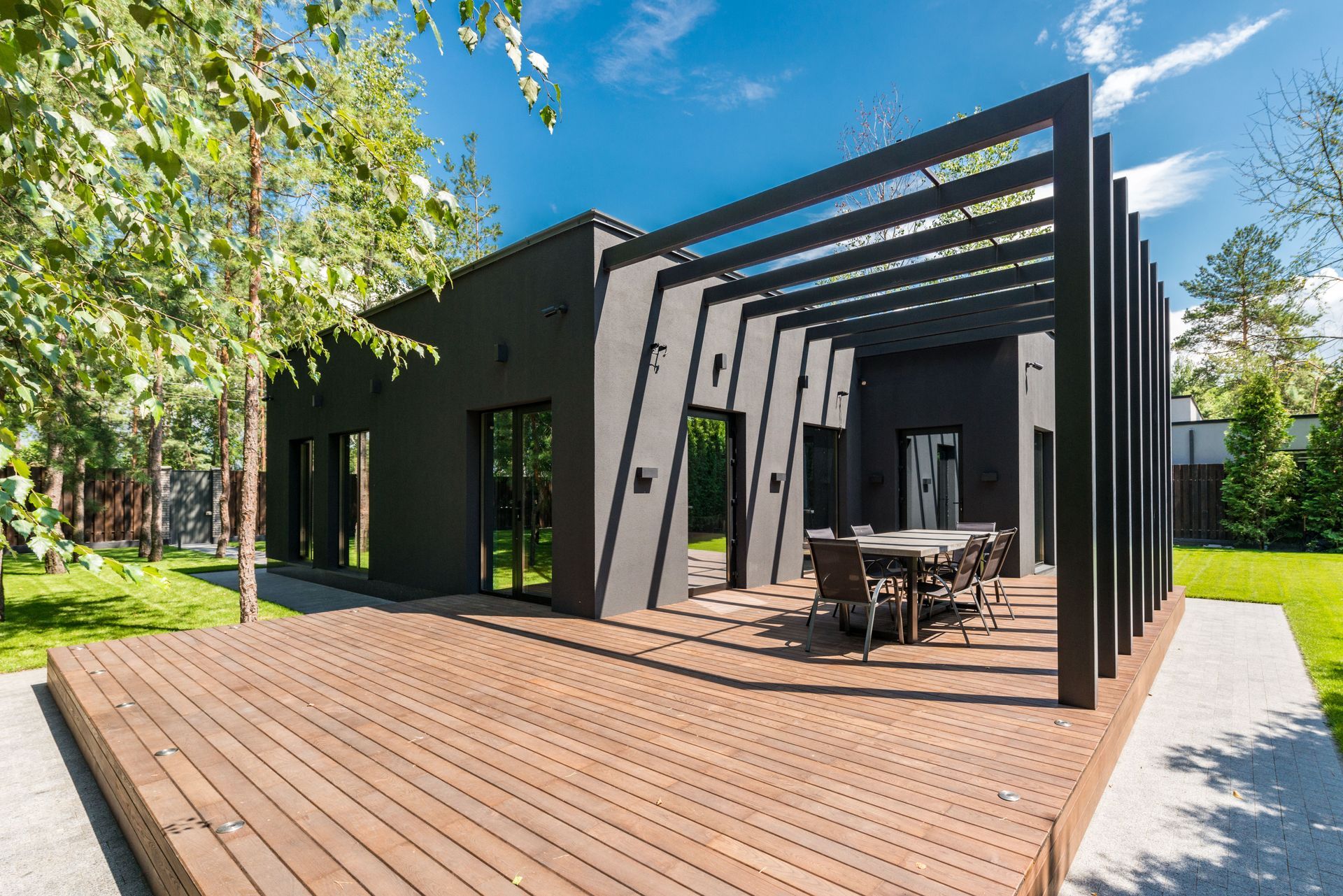
This guide covers the complete Massachusetts ADU permitting process as it stands in 2026, including what changed under the Affordable Homes Act, what local towns can and cannot regulate, and what documentation you need before, during, and after construction. Whether you're planning a detached backyard cottage in Natick, a garage conversion in Hopkinton, or a basement apartment in Framingham, the rules apply the same way — with a few important local variables you need to know about.
What Changed Under the Massachusetts Affordable Homes Act
Before August 2024, building an ADU in Massachusetts was a patchwork process. Some towns allowed them with a simple building permit. Others required special permits, public hearings, zoning variances, or owner-occupancy as a condition of approval. Many towns effectively banned ADUs outright through restrictive local bylaws. The result was that the same project that took three months in one town could take two years — or get denied entirely — in the next town over.
The Affordable Homes Act, signed by Governor Maura Healey on August 6, 2024 and effective February 2, 2025, changed this fundamentally. Under Sections 7 and 8 of the Act, which amended M.G.L. Chapter 40A, Sections 1A and 3, every municipality in Massachusetts must now allow one ADU by right on any single-family residential lot. "By right" means the town cannot say no if your project meets the state's requirements. There is no discretionary review, no public hearing, and no special permit process for a compliant ADU.
The state also issued implementing regulations under 760 CMR 71.00 — the Protected Use Accessory Dwelling Units regulation — which took effect January 31, 2025. These regulations define exactly what towns can and cannot regulate, what design standards are acceptable, and how the permitting process must be administered. Any local bylaw or ordinance that conflicts with these regulations is unenforceable after February 2, 2025.
It is worth noting that Boston operates under its own ADU ordinance and is excluded from the statewide by-right framework. If your property is in Boston, you should consult the city's specific ADU program separately.
What Permits Are Still Required for an ADU in Massachusetts
The most common misunderstanding homeowners have about the new ADU law is that "by right" means you can build without permits. This is not correct. The Affordable Homes Act removed the need for zoning permits — special permits, variances, and zoning board approvals. It did not remove building permits, health department approvals, or the requirement for a Certificate of Occupancy. Every ADU in Massachusetts, regardless of type or location, still requires the following.
Building Permit
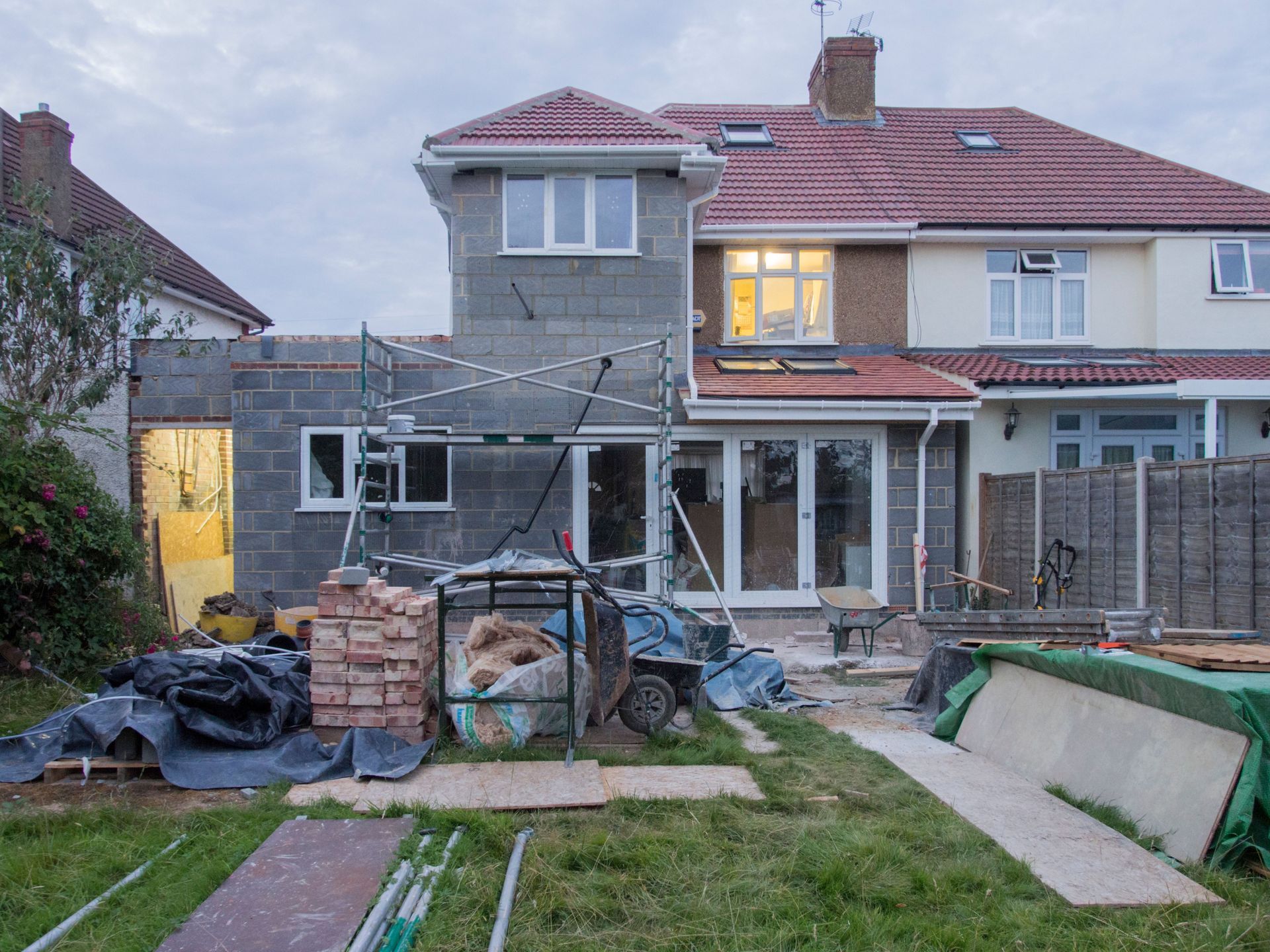
A building permit is required for all ADU construction in Massachusetts, whether you are building a new detached structure, converting a garage, finishing a basement, or adding an attached unit. You submit your permit application to your town's building department along with architectural plans, structural engineering drawings, and a site plan. The building inspector reviews your submission for compliance with the Massachusetts State Building Code (780 CMR) and any applicable local zoning requirements that remain valid under the new law.
The building permit application process is where many projects encounter delays. Towns vary significantly in their processing times, application requirements, and the level of plan review detail they require. In communities that have been slow to update their local bylaws to align with the Affordable Homes Act, building inspectors may still apply old standards. Knowing how to navigate your specific town's process — and how to assert your by-right approval rights when necessary — is something an experienced ADU builder can help you handle efficiently.
Title 5 Septic System Compliance
If your property uses a private septic system rather than municipal sewer, Title 5 compliance is one of the most significant permitting hurdles for any ADU project. Adding a bedroom or habitable square footage to a property increases the design flow calculation for your septic system. Massachusetts Title 5 regulations (310 CMR 15.000) require that septic systems be sized to handle the actual or design flow from all habitable units on a property.
Before you can obtain a building permit for an ADU on a septic system, your local board of health will typically require a Title 5 inspection and an engineering assessment to determine whether your existing system can handle the added load. If your system is undersized or fails inspection, you may be required to upgrade it before construction on the ADU can proceed. This can add $15,000 to $40,000 or more to your project budget and several months to your timeline. For properties on municipal sewer, you will still need a connection capacity confirmation from the local sewer authority, though this is generally a faster and less expensive process.
Certificate of Occupancy
No ADU in Massachusetts is legally habitable without a Certificate of Occupancy (CO) issued by your local building department. The CO is the final document that confirms the completed ADU was built in accordance with the approved plans and the Massachusetts State Building Code. Without a CO, the unit cannot legally be occupied, rented, or used as a dwelling — and an unpermitted, unoccupied ADU will still create serious complications when you sell or refinance your property.
Obtaining a CO requires a final inspection by the building inspector, and in most cases, sign-offs from the electrical, plumbing, and gas subinspectors as well. Scheduling these inspections at the right points in construction — rough-in inspections during framing, and final inspections at completion — is a critical part of keeping your project on schedule.
What Towns Can and Cannot Regulate Under the New Law
One of the most important things to understand about the current ADU landscape in Massachusetts is that towns retain meaningful regulatory authority — just not the authority to block a compliant ADU outright. Under 760 CMR 71.00, here is what municipalities can and cannot regulate.
Towns CAN Still Regulate:
- Size: Towns may impose size limits stricter than the state's 900 square foot maximum, as long as the limit is not so restrictive as to make ADU construction impractical.
- Short-term rentals: Municipalities may restrict or prohibit short-term rental (such as Airbnb) of ADUs. This is a meaningful local control that many towns are exercising.
- Design standards: Towns may impose design standards, but they must be no stricter than those applied to single-family homes in the same district.
- Historic district requirements: Properties in local historic districts may be subject to additional design review, though even this cannot prevent ADU construction entirely.
Towns CANNOT:
- Require a special permit, variance, or discretionary zoning approval for a by-right ADU
- Impose owner-occupancy requirements for the ADU or the primary dwelling
- Require more than one off-street parking space for an ADU (and no parking at all for ADUs within 0.5 miles of a transit station)
- Set a minimum lot size requirement for ADU construction
- Require a separate water, sewer, or electrical connection unless mandated by state law or a utility provider
- Apply dimensional standards (setbacks, lot coverage, height) that are stricter than those applied to single-family homes
- Block an ADU solely because the primary dwelling or lot is a pre-existing nonconforming structure
This is where working with a contractor who understands the law becomes especially valuable. Some towns are still implementing their updated bylaws and may informally apply old standards during the permit review process. Knowing when a town is within its rights to regulate — and when it is overstepping what the law allows — can save you significant time and money.

ADU Size Requirements: The 900 Square Foot Rule
Under the Affordable Homes Act, a protected-use ADU in Massachusetts may not exceed 900 square feet or 50% of the gross floor area of the primary dwelling, whichever is smaller. This is a firm ceiling — you cannot receive by-right approval for an ADU larger than these limits. If you want to build something larger, you will need to seek local approval through whatever discretionary process your municipality offers, and there is no guarantee of approval.
The 900 square foot limit is measured as gross floor area, which includes all finished habitable space within the ADU. How this is calculated — whether it includes stairwells, mechanical spaces, or attached garages — can vary slightly by municipality, so it is worth clarifying with your local building department before finalizing your design plans. The 50% rule means that if your primary home is 1,400 square feet, your ADU is limited to 700 square feet, even though it would otherwise be under the 900 square foot cap.
The Massachusetts ADU Permitting Process: Step by Step
Here is a practical overview of the permitting sequence for a typical ADU project in Massachusetts in 2026.
Step 1: Property and Zoning Assessment
Before any design work begins, confirm your property is in a single-family zoning district and that there are no deed restrictions, conservation restrictions, or wetland buffers that affect the buildable area of your lot. Your builder or a land use attorney can pull the relevant documents from the town's assessor and planning department.
Step 2: Septic or Sewer Evaluation (if applicable)
If your property uses a private septic system, get a Title 5 inspection and a flow analysis from a licensed septic engineer early in the process — before you invest in architectural drawings. Discovering that your septic system cannot support an ADU after you've spent money on design is a costly and avoidable mistake.
Step 3: Architectural Design and Engineering
Work with an architect and structural engineer to produce stamped drawings that comply with the Massachusetts State Building Code. For detached ADUs, this includes foundation design, framing plans, and energy code compliance documentation. For conversions (basement, garage, attic), this includes egress analysis and structural review of existing conditions.
Step 4: Building Permit Application
Submit your permit application, stamped drawings, site plan, and any required supporting documents (energy compliance forms, septic approval, etc.) to your town's building department. Most towns in Massachusetts are now processing ADU building permits on a standard review timeline, typically 30 to 60 days for a complete application.
Step 5: Construction and Inspections
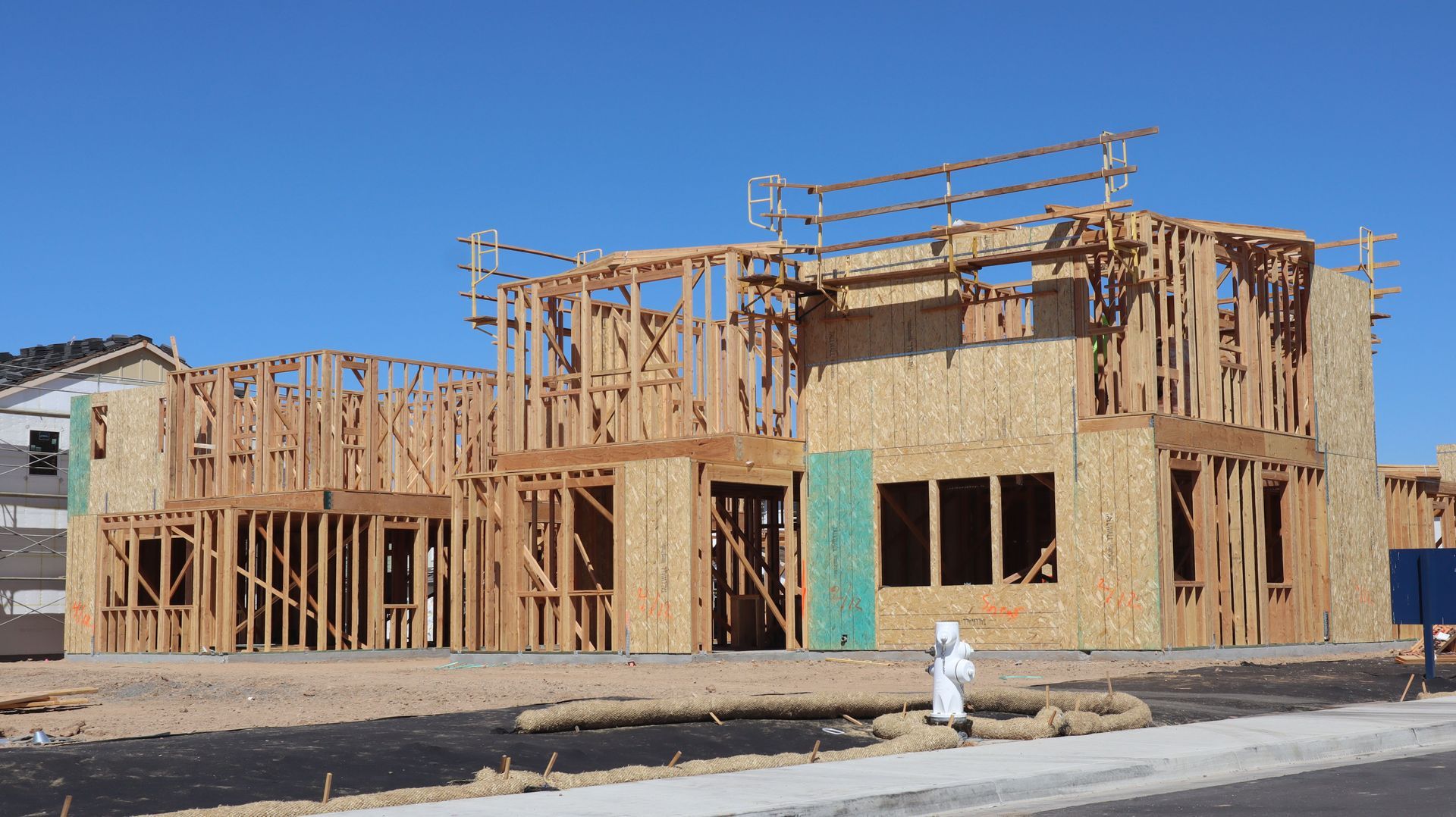
Once your permit is issued, construction can begin. Schedule required inspections at each phase — foundation, framing, rough mechanical, insulation — as required by the Massachusetts State Building Code and your local building department.
Step 6: Certificate of Occupancy
After passing all required final inspections, your building inspector issues the Certificate of Occupancy. At this point, your ADU is legally habitable and ready for use as rental housing, an in-law suite, a guest house, or whatever purpose you had in mind.
Common Permitting Mistakes to Avoid
After nearly 20 years of permitted construction projects across Middlesex and Worcester Counties, the team at Baystate Group Builders has seen the same mistakes repeat themselves on ADU projects. The most expensive one is starting construction without a building permit — or assuming a verbal green light from a town employee constitutes a permit. It does not. Every ADU requires a formally issued building permit before a single shovel hits the ground.
Another common mistake is underestimating the septic evaluation timeline. Title 5 inspections and engineering assessments can take four to eight weeks in a busy season. Starting this process the same week you want to break ground almost always causes project delays. The right approach is to evaluate your septic capacity at the beginning of the planning phase, before architectural drawings are ordered.
Finally, many homeowners assume that because ADUs are now by-right, they do not need to involve a licensed contractor. The by-right approval applies to the zoning process only. The construction itself must still comply with 780 CMR in every respect — and a licensed general contractor with experience in ADU construction is the most reliable way to ensure that your project passes inspections, stays on schedule, and delivers a finished unit that is safe, legal, and built to last.
Frequently Asked Questions About ADU Permits in Massachusetts
Do I need a special permit to build an ADU in Massachusetts?
No. As of February 2, 2025, under the Affordable Homes Act, special permits and discretionary zoning approvals are no longer required for a by-right ADU in a single-family zoning district. You still need a building permit from your local building department, but no zoning board hearing is required for a compliant ADU under 900 square feet.
What documents do I need to apply for an ADU building permit in Massachusetts?
A typical ADU building permit application requires stamped architectural drawings, a structural engineering report, a site plan showing lot coverage and setbacks, energy compliance documentation (typically a REScheck or HERS rating), and — if on private septic — a Title 5 inspection report and engineering analysis confirming system capacity.
How long does ADU permitting take in Massachusetts?
For a complete application, most Massachusetts towns process ADU building permits within 30 to 60 days. Projects involving septic upgrades or historic district review may take considerably longer. Working with a builder who has an established relationship with local building departments can help avoid unnecessary back-and-forth during the review process.
Can a town deny my ADU permit in Massachusetts?
A town cannot deny a building permit for a compliant by-right ADU — one that meets the 900 square foot limit, has a separate entrance, and complies with the Massachusetts State Building Code. If a town denies your application, you have legal recourse under the Affordable Homes Act. Consulting a land use attorney is advisable if you encounter a denial that appears inconsistent with state law.
Does an ADU require its own utilities in Massachusetts?
No. Under 760 CMR 71.00, municipalities cannot require a separate water, sewer, or electrical connection for an ADU unless mandated by state law or a utility provider. ADUs can share utilities with the primary dwelling, which significantly reduces construction cost and complexity for many homeowners.
What is the maximum size for an ADU in Massachusetts?
The maximum size for a by-right ADU in Massachusetts is 900 square feet or 50% of the gross floor area of the primary dwelling, whichever is smaller. Individual towns may impose stricter size limits, so confirm with your local building or planning department before finalizing your design.
Build Your ADU With a Licensed Massachusetts Contractor
Baystate Group Builders has been navigating the Massachusetts permitting landscape since 2005. We hold an active Massachusetts construction supervisor license, are fully insured, and have a proven track record of delivering ADU projects on time and within budget across Middlesex and Worcester Counties. From the initial site evaluation through final Certificate of Occupancy, we manage every step of the permitting process on your behalf — so you are never left guessing where your project stands.
If you are considering building an ADU in Massachusetts and want to understand what the process looks like for your specific property, reach out for a free consultation. Our team will walk you through the zoning, septic, and building code requirements that apply to your lot and give you a realistic picture of timeline, cost, and what to expect from the permitting process in your town.
Schedule Your Free ADU Consultation — and take the first step toward a fully permitted, professionally built Accessory Dwelling Unit on your Massachusetts property.