Deck Addition Cost in Massachusetts: 2026 Guide for Worcester County Homeowners
Planning a deck addition is one of the best investments Worcester County homeowners make — outdoor living space that extends your home's usable square footage without the full cost and complexity of an enclosed addition. But "how much does a deck cost in Massachusetts?" rarely has a simple answer. Material choices, site conditions, permit timelines, and contractor tier all move the number dramatically.
This guide covers real 2026 deck pricing for Massachusetts, a material-by-material comparison built for New England's climate, the permit requirements under 780 CMR (Massachusetts State Building Code, Eighth Edition), and the resale return data you should factor into your budget decision.
How Much Does a Deck Cost in Massachusetts? (2026 Price Ranges)
The installed cost for a deck in Massachusetts runs $30–$80 per square foot in 2026, depending on material and complexity. Here's what that looks like across common project sizes:
- Small ground-level deck (~200 sq ft, pressure-treated pine): $5,000–$8,000
- Mid-size composite raised deck (~400 sq ft): $15,000–$22,000
- Large multi-level deck (~600 sq ft): $25,000–$38,000
- Premium elevated tropical hardwood deck: $35,000–$50,000+
A 300-square-foot deck in New England typically runs $12,000–$18,000 in standard pressure-treated wood, $21,000–$33,000 in composite, and $30,000–$45,000+ for premium materials or complex multi-level designs. These figures reflect 2026 material and labor costs from Massachusetts-based contractors operating in the Worcester County market.
For context, the total budget for a deck project breaks down roughly as follows: materials account for about 45% of cost, labor 35%, site preparation 12%, and permits and inspections 8%. Understanding that breakdown helps you evaluate bids — if a quote is dramatically below market, the difference is almost always in the labor tier or material grade.
Deck Material Comparison: Pressure-Treated vs. Composite vs. Hardwood
Material is the single biggest cost driver — and the decision has real performance implications in Massachusetts's freeze-thaw climate.
Pressure-Treated Pine ($30–$55/sq ft installed)
The most affordable entry point. PT pine uses chemical preservatives to resist rot and insects, but Massachusetts's annual freeze-thaw cycle is hard on wood framing. In New England, PT framing shows meaningful degradation in 10–15 years, and the decking boards require staining or sealing every 2–3 years to perform. For homeowners on a tighter budget who plan to sell within a decade, PT pine is a defensible choice. For long-term ownership in Worcester County's climate, the lifecycle cost often closes the gap with composite materials.
Cedar ($35–$60/sq ft installed)
Cedar is naturally rot-resistant and dimensionally stable through freeze-thaw cycles. It accepts stain well, looks clean, and holds up over 20+ years with proper maintenance. The cost premium over PT is moderate — and in most cases, worth it for exposed decking boards in central Massachusetts's climate.
Composite Decking — Trex, TimberTech, and Similar ($45–$75/sq ft installed)
Composite decking has become the dominant choice for Worcester County homeowners who want low long-term maintenance. Modern capped composite products carry 25–30 year warranties, require no staining, and resist fading, staining, and moisture absorption. The higher upfront cost is offset by dramatically lower lifetime maintenance — no annual sealing, no board replacement from cupping or cracking. Note that composite decking is typically installed over pressure-treated structural framing; the substructure still requires PT lumber or steel regardless of the decking surface chosen.
PVC / Capped Polymer ($55–$85/sq ft installed)
Fully synthetic with no wood fiber content — the most moisture- and fade-resistant option available. Often chosen for pool-adjacent or high-moisture applications where wood-fiber composites may not perform as well over time. The premium over composite is real but modest for most residential projects.
Tropical Hardwood / Ipe ($60–$100+/sq ft installed)
Ipe is exceptionally dense, carries a Class A fire rating, and is naturally resistant to insects and rot. Lifespans of 40+ years are achievable with proper oiling maintenance. The cost reflects difficult machining, weight, and specialty sourcing. If you're building a deck you plan to keep for the life of the home, tropical hardwood is worth pricing seriously alongside premium composite options.
What Drives Deck Costs Higher in Worcester County and MetroWest MA
Beyond material selection, several factors specific to central Massachusetts push installed costs above the base range:
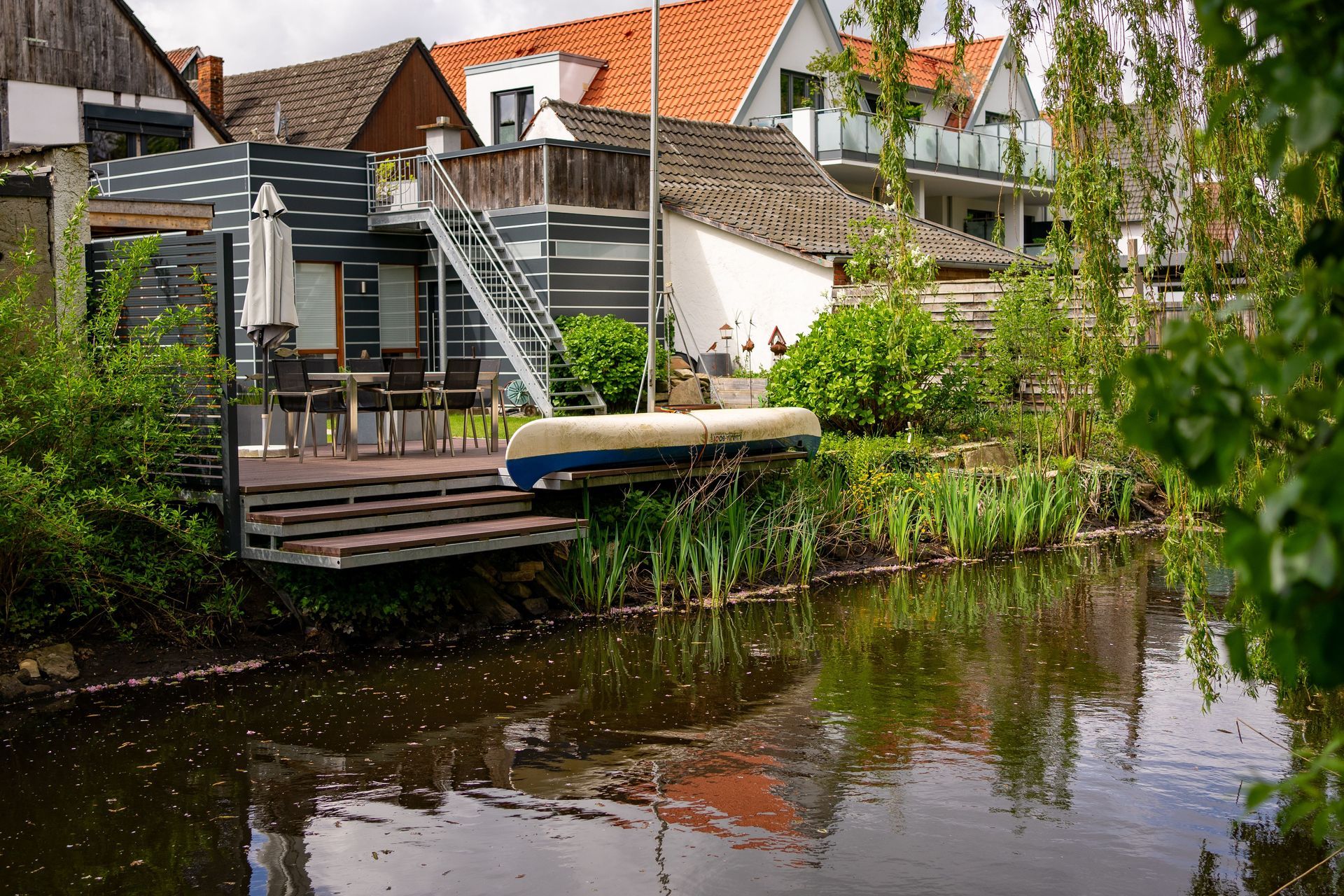
- Sloped lots: Worcester's hillier neighborhoods and MetroWest towns like Northborough, Westborough, and Shrewsbury commonly require taller posts, more concrete, and additional structural engineering. A 4-foot elevation difference can add $4,000–$10,000 to a mid-size project.
- Frost depth requirements: Massachusetts requires footings to extend below the frost line — approximately 48 inches in Worcester County. Helical piles or poured concrete piers to that depth add both labor and materials compared to shallow footings used in warmer climates.
- Permit and plan review fees: Building permit fees in Worcester County municipalities run $100–$800 for deck projects, plus plan review. Complex structural designs may require stamped engineering drawings, which add $500–$1,500.
- Railings, stairs, and built-in features: Code-compliant guardrails alone run $150–$300 per linear foot for cable or aluminum systems. Built-in benches, pergolas, under-deck drainage systems, and lighting each add directly to the project cost.
- Labor market: Licensed construction labor in central Massachusetts is tight in 2026. Contractors with active crews, proper licensing, and established permit relationships carry a real premium over alternatives — and for permitted structural work, that premium is warranted.
Massachusetts Deck Permit Requirements: What 780 CMR Requires
Almost every deck in Massachusetts requires a building permit under 780 CMR (Massachusetts State Building Code, Eighth Edition). The exemption under Section R105.2 is narrow: a freestanding deck that is under 200 square feet, less than 30 inches above grade, not attached to the dwelling, and not serving a required exit door — all four conditions must hold simultaneously. In practice, this describes a small freestanding platform in the middle of a yard, not what most homeowners envision when they picture a deck addition.
If your deck is ledger-bolted to the house, elevated more than 30 inches, over 200 square feet, or adjacent to a door that serves as egress — you need a permit. No exceptions.
The permit process requires construction drawings that show property location, structural framing plan, footing specifications, guardrail and stair details, and — critically — ledger connection details if the deck is attached to the house. Building departments focus on the ledger connection because it is a structural life-safety detail: a failed ledger is the most common cause of deck collapse. Inspections occur at footing, framing, and final completion stages.
A Construction Supervisor License (CSL) is required to file permit applications for regulated construction work in Massachusetts. Homeowners can pull their own permits for owner-occupied single-family properties, but the structural requirements are identical and many municipalities require a CSL affidavit on the application.
Skipping the permit is not worth the risk: unpermitted decks create title defects at resale, may void homeowner's insurance for deck-related incidents, and can require expensive retroactive permitting or forced removal. Similar permit dynamics govern other addition types — see our home addition cost guide for Massachusetts for how permitting and plan review affect larger enclosed addition projects. If you're also exploring an accessory dwelling unit on your property, our Massachusetts ADU permitting guide covers that parallel regulatory process.
Do You Need a General Contractor for Your Deck in Massachusetts?
For any permitted deck project, a licensed contractor is the right choice — not only because of the CSL requirement, but because ledger attachment, footings, and structural framing done incorrectly fail with real consequences. Deck collapses are a documented injury cause, and the failure mode is almost always improper ledger connection to the house or inadequate footing depth for frost conditions.
A reputable Worcester County contractor brings:
- An active Construction Supervisor License (CSL) and Registered Home Improvement Contractor (HIC) registration
- Established relationships with local building departments — which matters for permit approval timelines during busy spring and summer seasons
- In-house or vetted subcontractor crews for concrete, framing, and finish carpentry
- Workmanship warranties and appropriate liability and workers' compensation insurance
Baystate Group Builders has been completing residential additions and outdoor living projects across Worcester County and surrounding Massachusetts communities since 2005. Browse our completed project portfolio or contact us for a free estimate — we'll walk through the material, permitting, and timeline options for your specific site.
If you're also evaluating interior renovation scopes, our guides on kitchen remodeling cost in Massachusetts, bathroom remodel cost in Massachusetts, and basement finishing cost in Massachusetts cover those scopes in the same detail.
How Deck Additions Affect Your Home's Value in Massachusetts
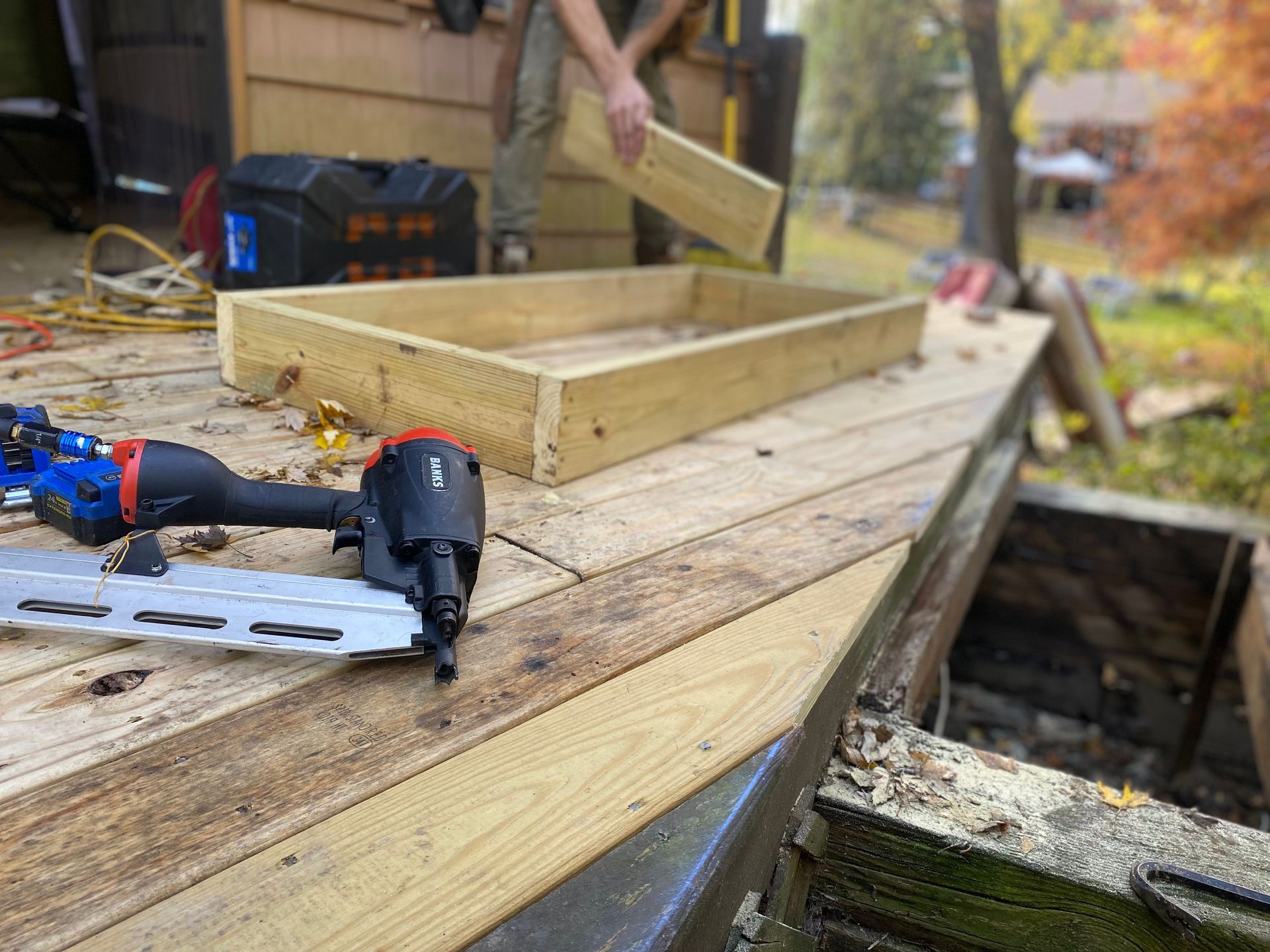
According to the 2025 Cost vs. Value Report (published annually by Zonda/Remodeling Magazine), a wood deck addition recoups approximately 95% of its cost at resale, while a composite deck addition recoups approximately 89% . These are national averages; Massachusetts's strong housing market and outdoor-living culture tend to support local recoup rates at or above the national median for well-built, permitted projects.
In practical terms: a $20,000 permitted deck addition adds roughly $18,000–$19,000 in appraised home value in Worcester County's current market — one of the strongest ROI ratios in residential remodeling. The key qualifier is condition and permitting: a poorly built or unpermitted deck subtracts value rather than adding it. Buyers' agents in central Massachusetts routinely check permit history, and disclosed unpermitted work triggers renegotiation at closing.
Composite and PVC decks sometimes appraise slightly lower than natural wood on a per-square-foot basis in certain markets, but their dramatically lower maintenance cost over a 10–15 year ownership period typically makes them the better economic decision for homeowners planning to stay. For homeowners planning a broader project that might incorporate energy-efficient building features, our guide on green building in Massachusetts — tax credits and incentives covers relevant programs that may apply.
Frequently Asked Questions
How much does a 300 sq ft deck cost in Massachusetts?
A 300-square-foot deck in Massachusetts runs $12,000–$18,000 for standard pressure-treated wood construction, $21,000–$33,000 for composite, and $30,000–$45,000+ for premium materials or complex multi-level designs, based on 2026 New England contractor pricing.
Do I need a permit for a deck in Massachusetts?
Almost always yes. The exemption under 780 CMR Section R105.2 applies only to decks that are freestanding (not attached to the house), under 200 sq ft, under 30 inches above grade, and not serving an exit door — all four conditions simultaneously. Any deck attached to your house, over 30 inches high, or over 200 sq ft requires a building permit.
What is the best decking material for Massachusetts weather?
Composite decking (Trex, TimberTech, and similar) is the most practical choice for Worcester County homeowners because it handles Massachusetts's freeze-thaw cycles without annual maintenance requirements. Tropical hardwoods like Ipe outperform composites on longevity but cost significantly more upfront. Pressure-treated pine is viable for budget-constrained projects but requires consistent maintenance to hold up in New England conditions over time.
How long does it take to build a deck in Massachusetts?
Physical construction typically takes 1–3 weeks for most residential decks. The longer lead time is permitting — many Worcester County municipalities take 2–6 weeks for plan review, with seasonal backlogs common in spring and summer. Plan for a 6–10 week total project timeline from contract signing to final inspection approval.
Can a homeowner pull their own deck permit in Massachusetts?
Yes, for an owner-occupied single-family home, a homeowner may file their own permit application without a licensed Construction Supervisor. However, the structural requirements and inspections are identical to contractor-pulled permits, and most homeowners who hire a contractor include permit management in the contract scope.
Ready to price your deck project? Call Baystate Group Builders at 774-573-8831 or request a free consultation online. We've been serving Worcester County and central Massachusetts homeowners since 2005 and will walk through your options with your specific site, timeline, and budget in mind.