Home Addition Cost in Massachusetts: 2026 Guide for Worcester County Homeowners
For Massachusetts homeowners who have outgrown their current space, a home addition is often the most practical alternative to upsizing in one of the country's most competitive housing markets. But unlike a fresh coat of paint or a flooring swap, an addition is a permanent structural commitment — one that requires permits, engineering, and real budget planning before the first shovel hits the ground. This guide gives you actual 2026 cost data, organized by project type and finish level, so you can walk into contractor conversations with grounded numbers.
Baystate Group Builders has been completing home additions, new construction, and major renovations across Massachusetts and Rhode Island since 2005. Every estimate we provide comes from the same labor market and code environment you are building in — not national averages adjusted by zip code.
What Does a Home Addition Cost in Massachusetts in 2026?
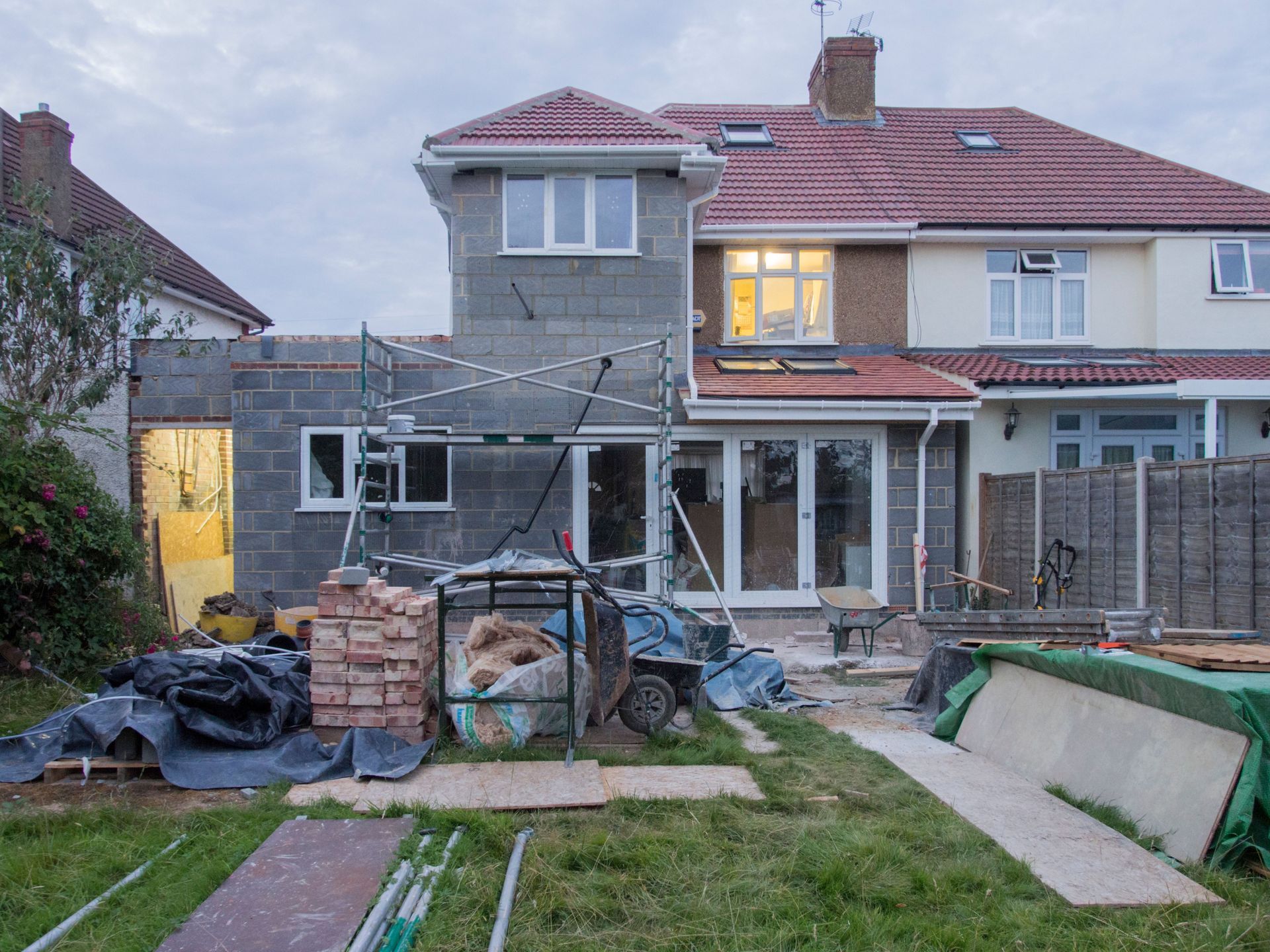
A home addition in Massachusetts costs between $150 and $350+ per square foot of finished space, based on current contractor data from the Greater Boston and Worcester County markets. That puts a modest 300-square-foot family room addition in the $45,000–$105,000 range, while a full second-story addition can clear $300,000 before luxury finishes enter the picture. ( Schlickmann Construction, May 2026)
Massachusetts home addition costs run 20–30% above the national average — and that gap is structural, not incidental. The state has some of the country's strictest residential building codes (780 CMR), higher skilled trade labor rates than most of New England, and older colonial and Cape Cod housing stock that often requires foundation or framing upgrades before new work can attach. What looks like straightforward framing in a newer Southern or Midwestern home frequently involves structural engineering, beam replacements, and additional foundation work in Worcester County.
The mid-range for most Worcester County addition projects — a standard single-story addition with quality but not luxury finishes — runs $200–$280 per square foot . That is the number to use when you are building your initial budget before detailed estimates arrive.
Home Addition Cost by Project Type: Worcester County Ranges
The scope and type of addition drives cost more than almost any other variable. The ranges below reflect Massachusetts 2026 market pricing and include design, permitting, construction, and standard finishes. ( North Heritage Construction, 2026)
- Single-room bump-out (100–200 sq ft): $25,000–$60,000
- Family room addition (250–400 sq ft): $60,000–$130,000
- Primary bedroom suite (300–500 sq ft): $90,000–$175,000
- Two-story addition (500–800 sq ft): $150,000–$320,000
- In-law suite or ADU (400–900 sq ft): $120,000–$280,000
- Kitchen extension (150–300 sq ft): $75,000–$180,000
- Full second-story addition (600–1,200 sq ft): $200,000–$500,000+
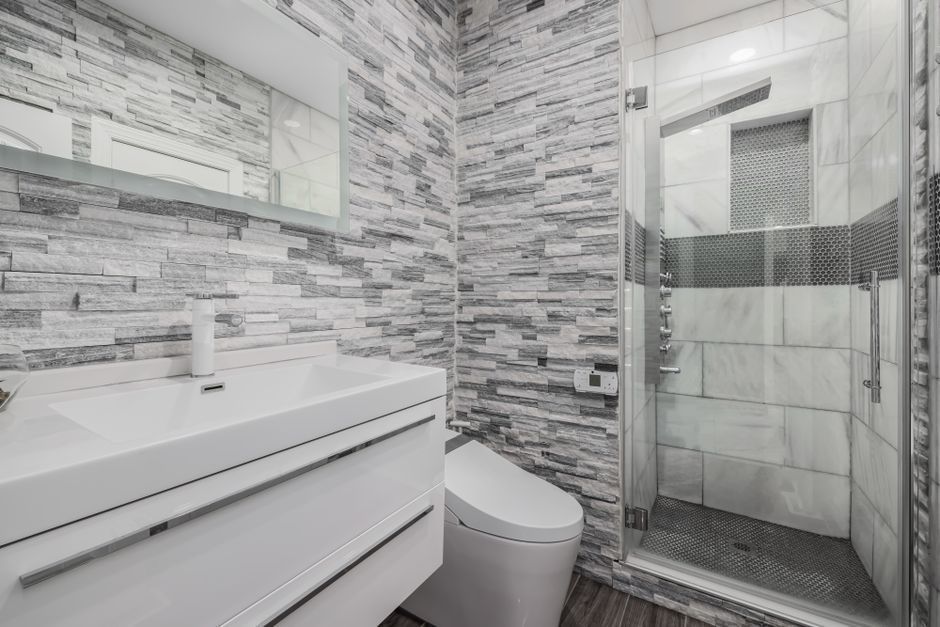
Site-specific conditions common in older Worcester County homes — undersized electrical panels, aging foundation systems, or uneven lots — can push costs above these ranges. This is why every Baystate estimate starts with a site visit, not a square-footage formula. If a kitchen remodel or bathroom renovation is part of your overall vision, bundling those projects with the addition under a single general contractor typically reduces both cost and schedule disruption.
What Drives Massachusetts Home Addition Costs Above the National Average?
Five factors consistently push Massachusetts addition costs above what national pricing guides show:
Skilled labor rates. Construction workers across Massachusetts — electricians, plumbers, carpenters, and framers — command rates that reflect the state's cost of living. Worcester County labor costs are lower than in the Route 128 corridor, but still significantly above Midwest or Southeast benchmarks.
Structural complexity in older homes. Colonial, Cape Cod, and Victorian-era homes throughout Worcester County were built with framing systems, foundation types, and electrical capacity that were never designed to support significant additions. Before framing can begin, many projects require structural engineering, new posts and beams, or foundation reinforcement — work that simply does not appear in addition estimates for newer-construction markets.
Massachusetts building code (780 CMR). Massachusetts enforces strict residential building codes that apply fully to any permitted addition. Additions that include mechanical systems must comply with current energy code requirements, which add material cost but deliver meaningful long-term improvements in comfort and operating efficiency. Baystate's green building approach is designed around these requirements: current code compliance is the baseline, not the goal.
Permitting complexity and fees. All home additions require a building permit plus separate trade permits for electrical, plumbing, and HVAC work. In most Worcester County municipalities, permit fees alone run $1,500–$5,000 depending on project valuation and the town's fee schedule. Projects with structural modifications also require a licensed structural engineer's stamped drawings.
New England frost-depth foundation requirements. Massachusetts frost depth requires addition foundations to be excavated and set well below grade with proper footings and drainage. That excavation and concrete work represents a significant cost line before any above-grade framing begins — it is simply the physical reality of building in New England.
Permitting Your Home Addition in Massachusetts: What to Expect
Every home addition in Massachusetts requires a building permit under 780 CMR — no exceptions, regardless of size or scope. If your addition includes plumbing (a new bathroom, laundry room, or wet bar), electrical upgrades, or HVAC work, each trade requires its own separate permit application and inspection schedule.
Here is what the permitting process typically looks like for a Worcester County home addition:
- Building permit application: Submitted to your town's Building Department with plans and specifications. Review time runs 2–6 weeks in most communities.
- Trade permits: Electrical, plumbing, and mechanical permits must be pulled by licensed tradespeople under their own license numbers. Your general contractor coordinates the timing.
- Structural engineer drawings: Required for additions that modify the existing structure — new foundations, beam work, or second-story additions. Engineering fees are separate from construction costs.
- Zoning compliance: Your addition must meet setback requirements, lot coverage limits, and height restrictions. Some towns require a variance or Certificate of Compliance from the Zoning Board of Appeals before permits can be issued.
- Inspections: Required at foundation, framing, rough electrical, rough plumbing, insulation, and final stages. Each phase requires a separate inspection window and sign-off before the next phase can proceed.
A licensed general contractor manages all permit applications and inspection scheduling as part of the project scope. Permitting is not an afterthought at Baystate Group Builders — it is built into the project plan from the first consultation, so there are no mid-construction stops waiting on approvals.
Finish Levels: What You Get at Each Price Point
Within the $150–$400/sq ft range, where your project lands depends heavily on finish selections. Three tiers describe the Massachusetts market ( North Heritage Construction, 2026):
Basic finish ($150–$250/sq ft): Builder-grade flooring, stock windows, standard trim, and entry-level plumbing and electrical fixtures. Functional and code-compliant, but limited in customization. Most appropriate for ADU spaces, mudrooms, or utility additions where the priority is square footage over finish quality.
Mid-range finish ($250–$325/sq ft): Upgraded flooring — hardwood, LVP, or quality tile — semi-custom cabinetry in any kitchen or bath components, better fixtures, and improved trim packages. This is where the majority of Worcester County addition projects land. Finish quality matches surrounding home values in most Blackstone, Uxbridge, Northborough, and Westborough neighborhoods, which protects the investment over time.
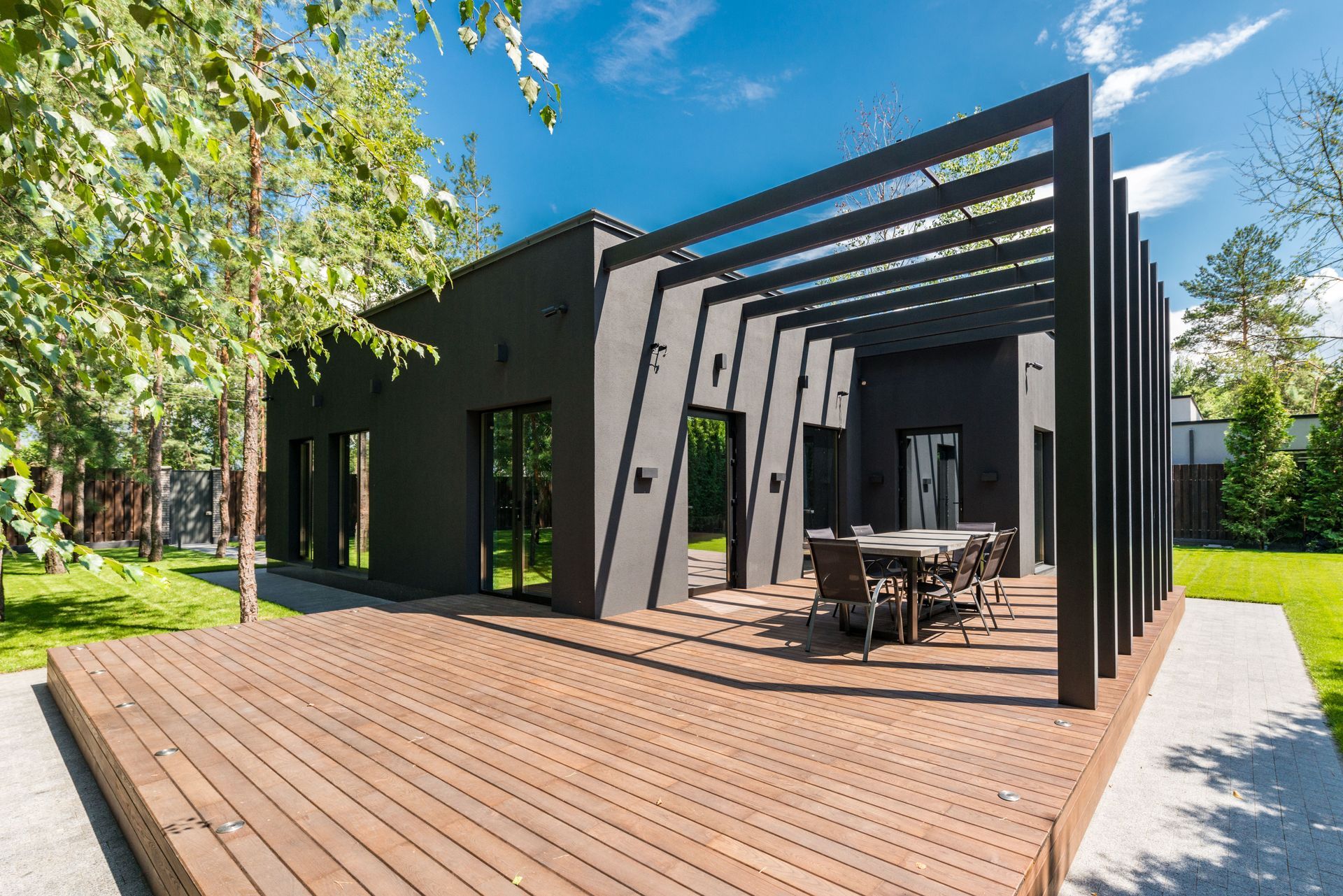
High-end finish ($325–$400+/sq ft): Custom millwork, premium tilework, designer fixtures, specialty lighting plans, and architectural detail throughout. Appropriate for luxury residential projects and for additions in higher-value Middlesex County communities where the home's overall market position justifies the investment.
Is a Home Addition Worth It in Massachusetts?
In most Massachusetts markets, adding square footage to an existing home is financially defensible — and with current home prices, often preferable to selling and upsizing.
Selling your home in Massachusetts and purchasing a larger one means competing in a market that remains significantly elevated, plus absorbing real estate commissions, transfer taxes, closing costs on both sides, and the full disruption of moving. For most Worcester County homeowners, a properly scoped addition built by a contractor who already knows their home delivers the space they need without the risks of a move in a tight market.
The calculation is strongest when the addition brings the home's bedroom or bathroom count in line with comparable properties in the neighborhood. An addition that is meaningfully over-built relative to the surrounding market returns less on investment than one that closes the gap to market-norm specs. This is one reason Baystate's site consultations always begin with what neighboring properties look like — we want your investment to be calibrated correctly. For projects that include enhanced insulation, air-sealing, and efficient mechanical systems, our green building approach also delivers ongoing energy savings that partially offset the project cost over time.
For homeowners considering related projects, we have also published detailed cost guides for kitchen remodeling costs in Massachusetts, bathroom remodel costs in Worcester County, and basement finishing costs in Massachusetts — which may help you prioritize and sequence your renovation goals.
Frequently Asked Questions
How much does a home addition cost in Massachusetts?
A home addition in Massachusetts costs $150–$350+ per square foot. A 300-square-foot family room addition typically runs $60,000–$130,000 fully completed, including design, permits, and standard finishes.
Do I need a permit for a home addition in Massachusetts?
Yes. All home additions require a building permit in Massachusetts under 780 CMR. Additions that include plumbing, electrical, or HVAC work also require separate trade permits for each discipline.
How long does a home addition take in Massachusetts?
From initial design to final inspection, most home additions take 4–9 months in Massachusetts. Permitting alone runs 2–6 weeks in most Worcester County towns. Larger projects involving full second-story additions or significant structural work can extend to 9–12 months from design kickoff to occupancy.
Is a home addition cheaper than buying a bigger house in Massachusetts?
In most cases, yes. Selling and purchasing in Massachusetts involves real estate commissions, transfer taxes, and closing costs on both transactions — costs that, combined with a premium purchase price for a larger home, often exceed the all-in cost of adding space to the home you already own.
Does Baystate Group Builders complete home additions in Worcester County?
Yes. Baystate Group Builders is a licensed general contractor based in Blackstone, MA, serving Worcester County, Middlesex County, and Rhode Island since 2005. We build additions, custom homes, ADUs, and full remodels. Request a free consultation
to schedule a site visit and get an accurate estimate for your project.