Custom Home Construction Cost in Massachusetts: 2026 Guide for Middlesex and Worcester County Homeowners
If you're pricing out a custom home build in Middlesex or Worcester County this year, the range you'll find online is wide enough to be almost useless on its own — figures anywhere from $250,000 to well over $1 million show up depending on the source. The real number for your project depends on lot conditions, square footage, finish level, and how your town's permitting process runs. This guide breaks down what actually drives custom home construction cost in Massachusetts in 2026, using real published cost data, so you can build a realistic budget before you sit down with a builder.
What Does It Cost to Build a Custom Home in Massachusetts?
According to Fixr.com's 2026 Massachusetts cost data, the state average to build a house runs $500,000 to $750,000, with most homeowners landing around $650,000 for a roughly 2,500 sq. ft. semi-custom home with good-quality materials. On a per-square-foot basis, Fixr puts the statewide range at $100 to $600, with most projects landing near $260 per sq. ft. — though that figure excludes land.
Houzeo's 2025 Massachusetts build-cost analysis lands in a similar neighborhood, citing $250,000 to $650,000 to build (excluding land), with an average of roughly $350 per sq. ft. for a 3,000 sq. ft. home. Both sources agree on the direction, if not the exact number: Massachusetts construction costs run well above the national average, and a true custom build — as opposed to a production or semi-custom home — sits at the higher end of these ranges, particularly in Middlesex County towns where labor and permitting costs run higher than the state average.
Cost Per Square Foot: What Actually Drives the Range
The gap between $100 and $600 per square foot isn't random — it comes down to a few specific variables:
- Construction method. Fixr's data shows modular construction running $100–$300 per sq. ft., while traditional stick-built construction — the method most true custom homes use for maximum design flexibility — runs $200–$600 per sq. ft.
- Finish level. High-end materials, custom millwork, and premium fixtures push a project toward the top of the range. Fixr's low-end example ($150,000) is a modular Cape Cod with average materials; its high-end example ($1.8 million) is a fully custom three-story colonial with high-quality materials.
- Home size and story count. Because foundation and roofing are among the highest fixed costs of a build, a single-story home typically costs more per square foot than a two-story home of the same footprint — you're paying for more foundation and roof relative to living space.
- Site conditions. Ledge, wetlands buffers, septic design, and steep grades — common across Middlesex and Worcester County lots — add engineering and site-prep costs that a flat per-square-foot number doesn't capture.
Land Cost: The Line Item Most Budgets Miss
Every cost-per-square-foot figure above covers construction only — not the land underneath it. Houzeo's data puts the average Massachusetts land cost at roughly $333,200 per acre, plus another $1,500–$3,000 to clear and grade a raw lot before construction starts. If you're comparing your project to a national "cost to build" calculator, this is usually the single biggest reason the real number comes in higher than expected. If you already own your lot — a common starting point for clients we work with in Sherborn, Dover, and Hopkinton — you're ahead of a large share of the total budget before design even begins.
A Sample Budget: Building a 2,500–3,000 Sq. Ft. Custom Home
Using Fixr's category-level breakdown for a stick-built Massachusetts home, here's roughly how a construction budget (excluding land) divides up:
- Prep work (permits, drawings, land clearing): $20,000–$30,000
- Foundation: $45,000–$67,500
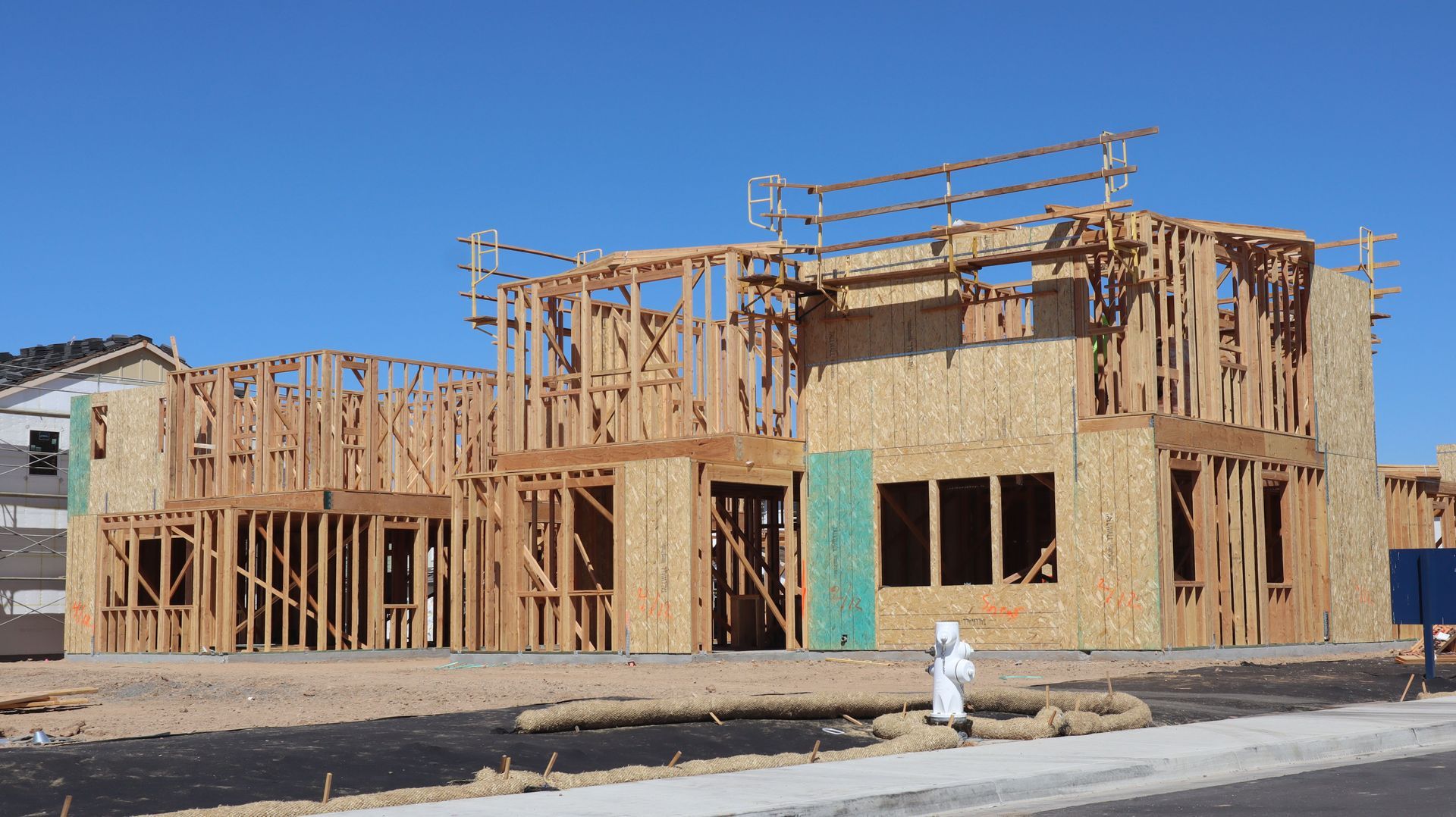
- Framing: $125,000–$187,500
- Roofing: $50,000–$75,000
- Major systems (plumbing, electrical, HVAC): $105,000–$157,500
- Exterior finishing: $40,000–$60,000
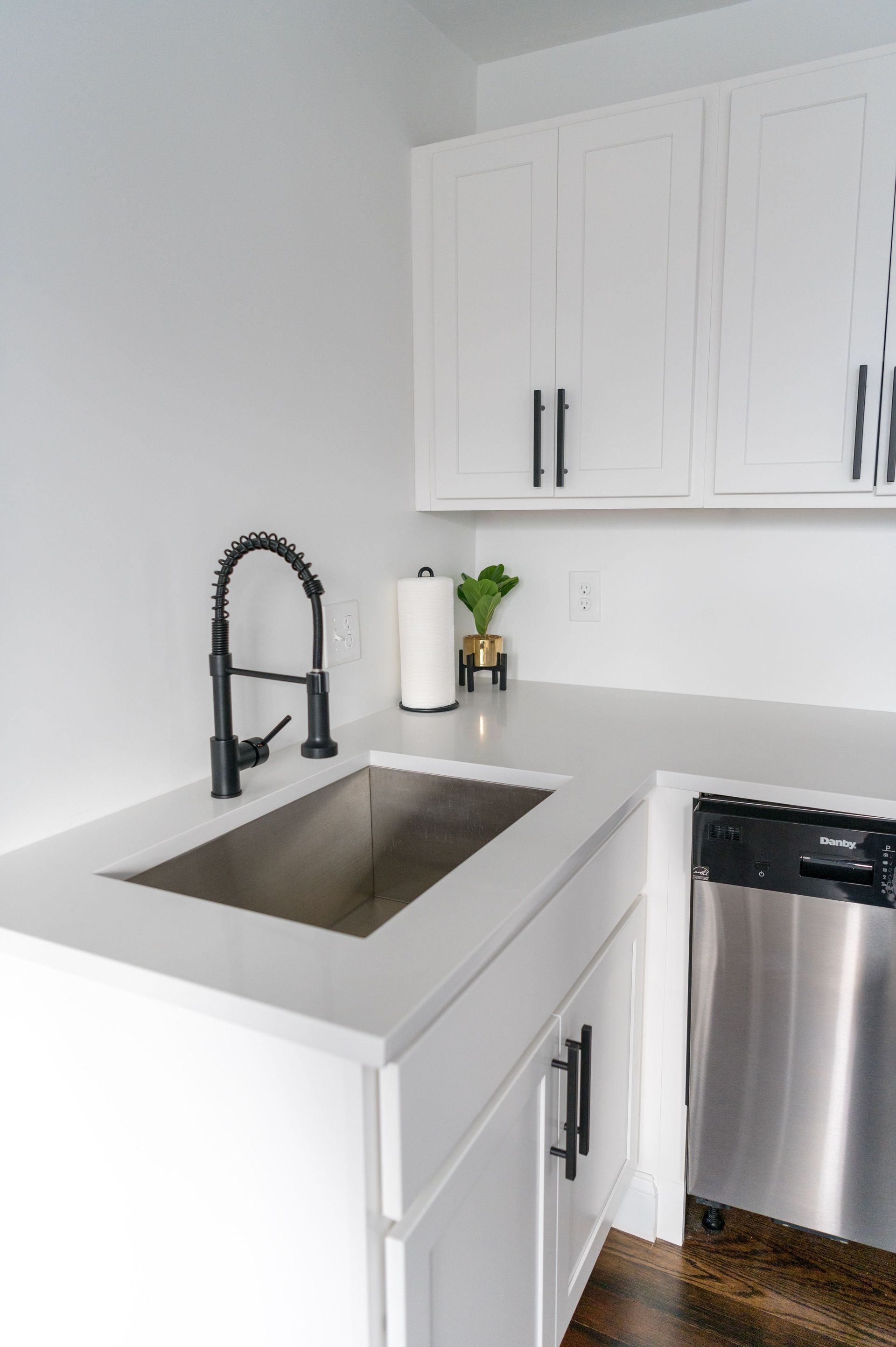
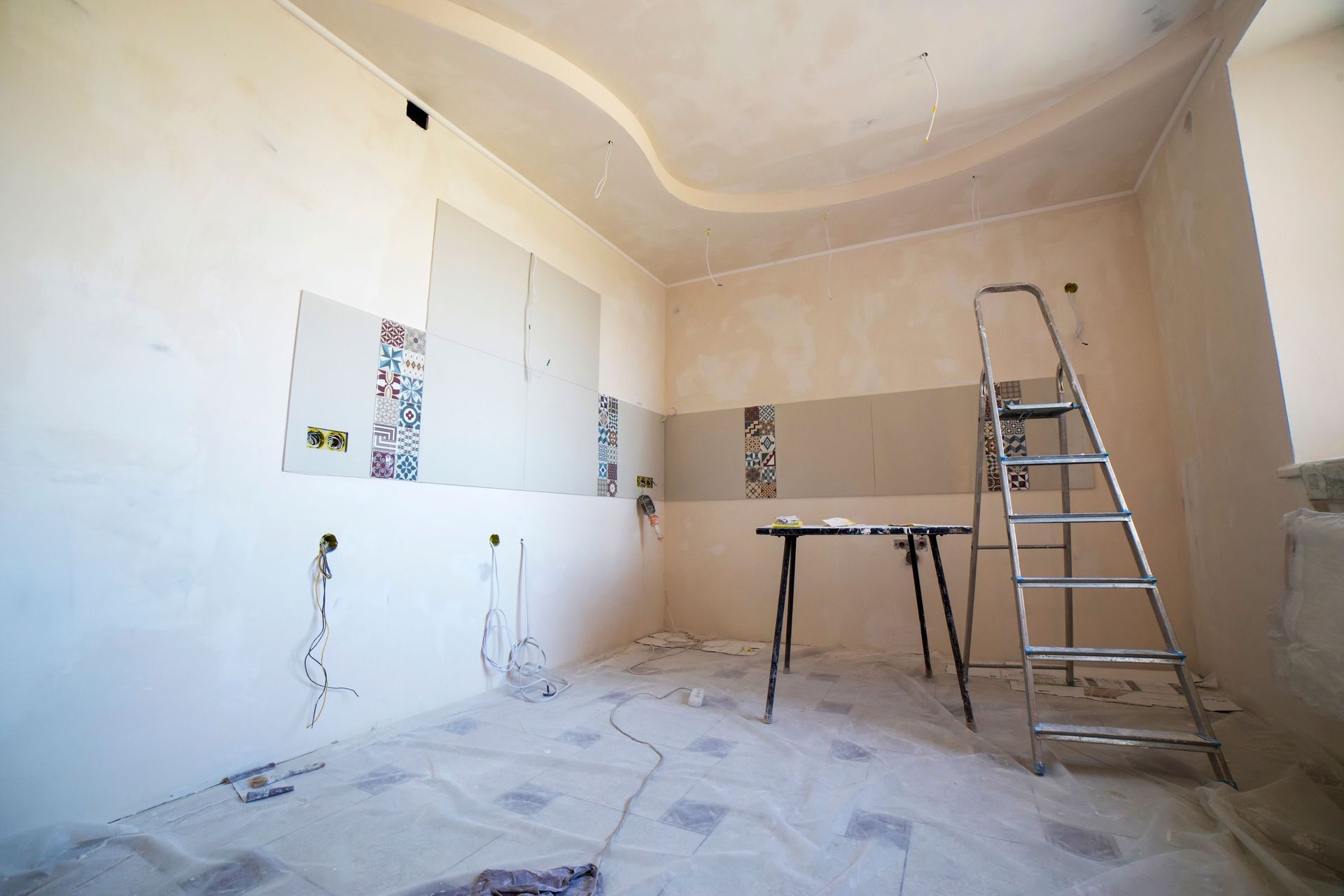
- Interior finishing: $115,000–$172,500
On top of the construction budget itself, Fixr recommends carrying a contingency fund of roughly 20% of total project cost to absorb the unexpected — a site condition discovered during excavation, a material price swing, a design change mid-build. A general contractor's fee typically adds another 10–20% on top of hard construction costs for overseeing the project.
Why Massachusetts Custom Home Costs Run Above the National Average
A few Massachusetts-specific factors push costs higher than many other states. Building permit fees are typically calculated at roughly $15 per $1,000 of construction cost under standard municipal formulas, and Houzeo notes that Massachusetts building codes are among the strictest in the country — which affects everything from insulation requirements to the inspection process. Labor costs in Middlesex County, particularly in towns close to Boston, also run above the statewide average Fixr and Houzeo both cite. None of this is a reason to avoid building custom — it's simply why a Massachusetts-specific budget, not a national average, is the only one worth planning around.
How We Manage Your Budget From Consultation to Delivery
At Baystate Group Builders, every custom home build follows the same nine-step process, regardless of budget size: consultation, site analysis, design, permitting, a pre-construction meeting to align on timeline and materials, construction, inspection, final walkthrough, and delivery. The pre-construction meeting is where budget surprises get caught before they become change orders — we walk through materials, timeline, and cost assumptions line by line before a shovel goes in the ground. Founder Victor Rodrigues is personally involved in every project we take on, which is part of why BuildZoom ranks us in the top 2% of licensed Massachusetts contractors.
Ways to Control Cost Without Cutting Corners
- Build up, not out. A two-story design spreads foundation and roofing costs — two of the most expensive fixed line items — across more living space than a single-story home of the same size.
- Lock in materials early. Material price volatility remains one of the most common sources of mid-project cost creep. Confirming key material selections during the design phase, before permitting, avoids re-pricing later.
- Consider a smaller, well-built footprint over a larger, value-engineered one. Some of our clients now choose a smaller custom home with high-performance systems over a larger production-spec home — the long-term energy savings from a tight, well-insulated envelope help offset the higher per-square-foot construction cost. If that's a direction you're weighing, our guide to green building incentives in Massachusetts covers what's currently available in rebates and tax credits.
- If your lot allows it, weigh an ADU against an addition. For clients adding living space rather than starting from scratch, an accessory dwelling unit can sometimes deliver more usable square footage per dollar than a full home addition — see our ADU permitting guide for the current by-right rules.
Frequently Asked Questions
Is it cheaper to build or buy a custom home in Massachusetts?
Generally, buying an existing home is faster and less expensive than building new — Houzeo's analysis notes new construction typically takes 9–12 months versus 1–2 months to close on an existing home. Building only makes financial sense when you need a specific lot, layout, or performance level that the existing housing stock in Middlesex or Worcester County doesn't offer.
How long does it take to build a custom home in Massachusetts?
Based on published national construction timeline data, most new single-family construction takes roughly 9 to 12 months from groundbreaking to occupancy, though permitting timelines and site conditions specific to your town can extend that window.
What financing options exist for a custom home build?
The two most common paths are a construction-to-permanent loan, which covers land and building costs and converts to a standard mortgage at completion, and a construction-only loan, which is repaid in full or refinanced once the home is finished. A home equity loan is also an option for homeowners with sufficient equity in an existing property.
Does building a smaller custom home cost less per square foot?
Not necessarily. Because fixed costs like foundation, roofing, and major systems don't scale down proportionally with size, smaller custom homes often carry a higher cost per square foot than larger ones — even though the total project cost is lower.
Start With a Real Number for Your Lot
Published cost ranges are a useful starting point, but the only budget that matters is the one built around your specific lot, town, and design goals. We've been building custom homes across Framingham, Natick, Wayland, Hopkinton, Sherborn, and Dover since 2005 — browse our completed projects and client reviews, then schedule a free consultation to get a cost estimate built around your actual property, not a statewide average.