Home Renovation ROI in Massachusetts: What the 2025 Data Means for Worcester & Middlesex County Homeowners
Not every renovation pays you back the same way. Zonda's 2025 Cost vs. Value Report the industry's benchmark study, now in its 38th year puts a $4,672 garage door replacement at a 268% return and a $42,183 universal-design bathroom remodel at 61%. That's a massive spread, and it means the order you renovate in matters almost as much as what you renovate. For Worcester and Middlesex County homeowners planning a 2026 project, the national data offers a real starting point as long as you know how to read it.
Baystate Group Builders has been building and renovating homes across Worcester and Middlesex Counties since 2005. Here's what the newest cost-vs-value and industry research actually says about where renovation dollars go furthest, and where they don't.
What "ROI" Actually Means in a Renovation Project
Return on investment, in the context of home renovation, is the percentage of your project cost you recoup in added resale value if you sold the home immediately after completing the work. It is not the only way to measure a renovation's worth a kitchen you use every day for the next fifteen years has value the resale number doesn't capture but it's the most direct way to compare projects against each other before you commit a budget.
Zonda's Cost vs. Value Report calculates this by combining national contractor cost data (through its XactRemodel estimating platform) with real estate agent surveys on what buyers actually pay for. The result is 28 project types, each with an average job cost, an average resale value added, and a cost-recouped percentage. It's the same methodology Remodeling Magazine and the Journal of Light Construction have used for decades, which is why it remains the reference point contractors and appraisers cite most.
The Highest-ROI Renovations Nationally, According to the 2025 Data
The 2025 report's top-line finding held steady from the year before: exterior projects outperform interior ones, and by a wide margin. Eight of the top ten highest-ROI projects nationally are exterior replacements, not additions or remodels.
The top of the list: garage door replacement at 267.7% (a $4,672 job recouping $12,507 at resale), steel entry door replacement at 216.4%, and manufactured stone veneer at 207.9%. Fiber-cement siding replacement (113.7%) and a minor kitchen remodel (112.9%) round out the top five — the kitchen project is the only interior job that cracks it. A wood deck addition landed at 94.9% and a composite deck at 88.5%. Notably, 2025 was the first year a backup power generator cracked the top ten nationally, at 95.3% ROI, reflecting how often storm-driven power loss now factors into buyer decisions in New England and beyond.
None of these numbers are Worcester- or Middlesex-specific they're national averages across 115+ U.S. markets but they set a real baseline before you look at the local picture.
Kitchen Remodel ROI: Why Smaller Often Beats Bigger
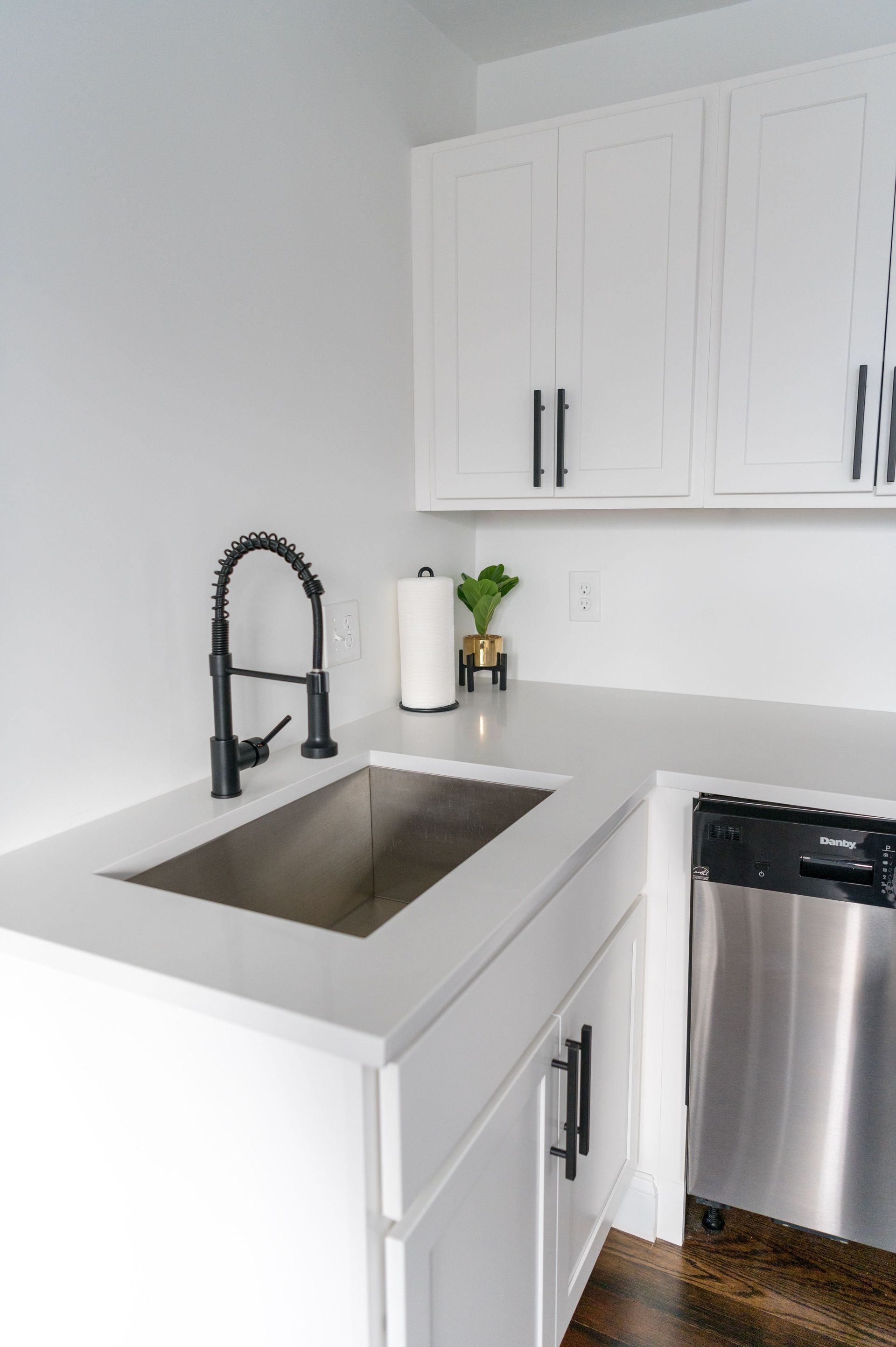
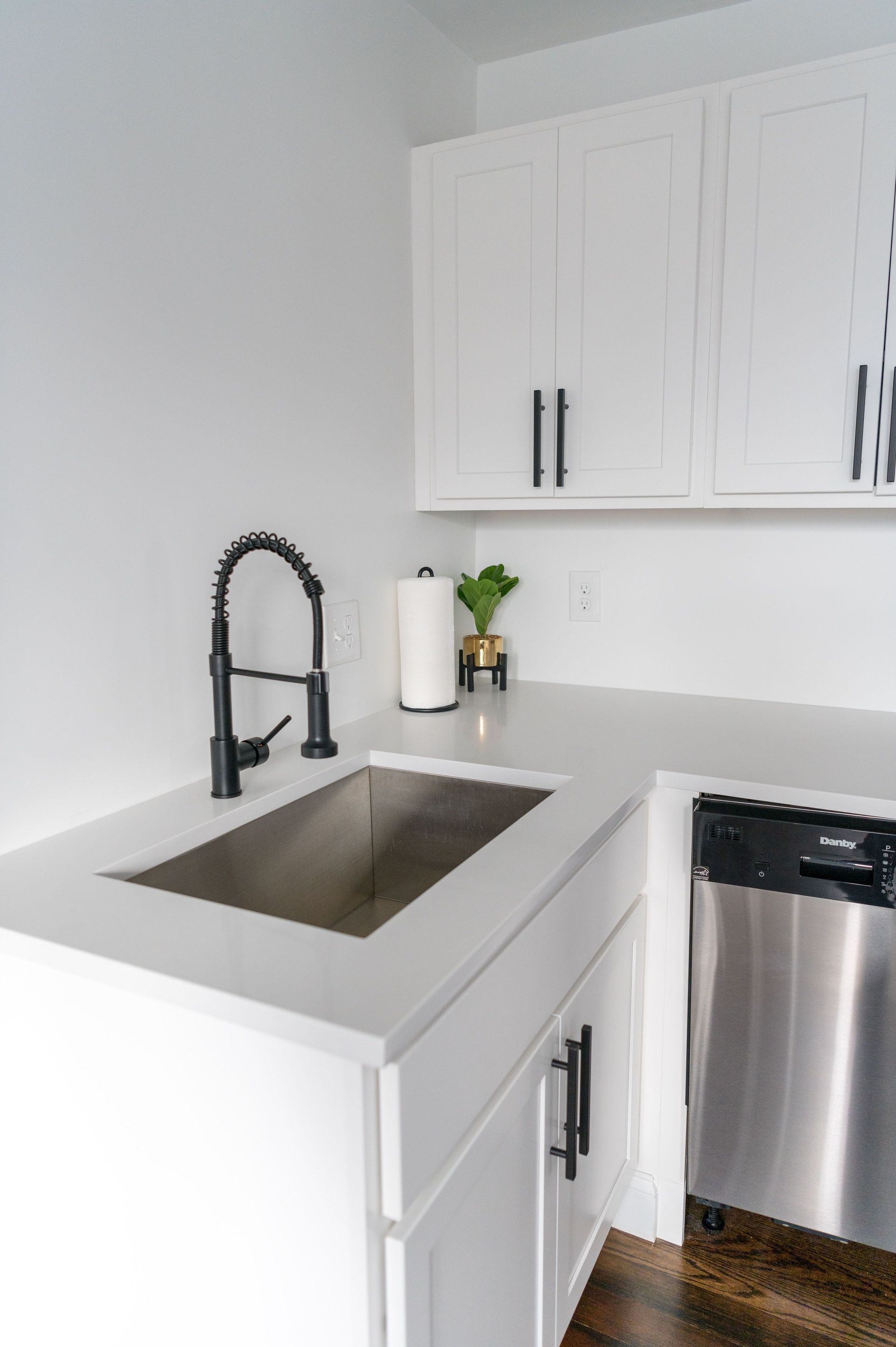
If you're planning a kitchen remodel cost in Massachusetts this year, the data has a clear message: scope discipline pays. A minor kitchen remodel new cabinet fronts and hardware on the existing boxes, updated counters, a new sink and faucet, mid-grade appliances, new flooring costs a national average of $28,458 and returns $32,141, or 112.9% ROI. That's one of the only interior projects that returns more than it costs.
A major kitchen remodel full gut, new layout, custom cabinetry costs $82,793 on average at the midrange finish level and returns $42,130, or 51% ROI. Push that same project to upscale finishes (high-end appliances, stone counters throughout) and the cost jumps to $164,104 while the return barely moves, to $58,561 just 36% ROI. The gap isn't a coincidence: buyers pay for clean, functional, and updated. They rarely pay dollar-for-dollar for a finish level beyond what the rest of the neighborhood supports. Our kitchen remodeling services start with that comp-ceiling conversation before a single cabinet gets ordered.
Bathroom Remodels and Additions: Where the Return Comes From
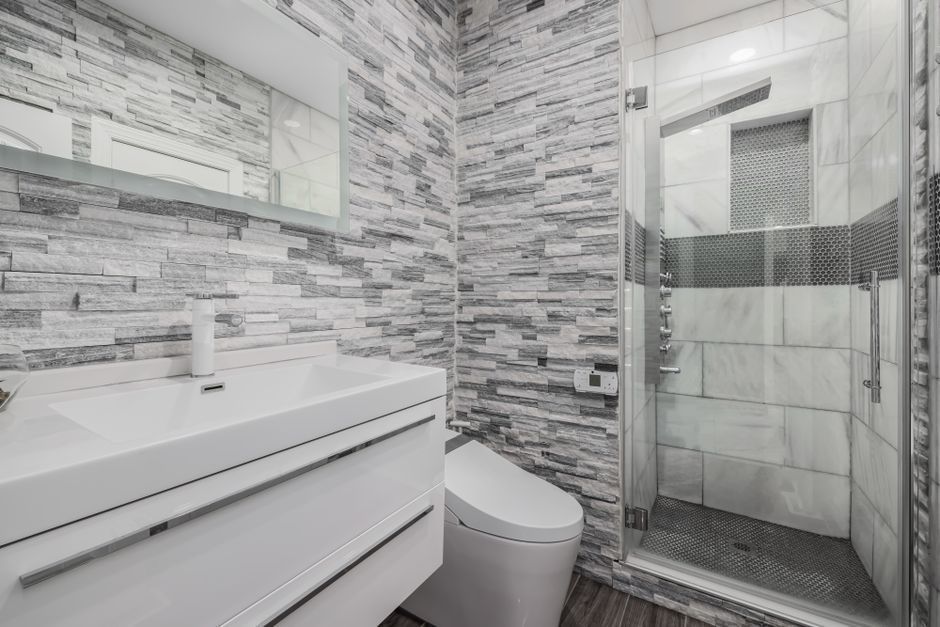
Bathrooms follow the same pattern as kitchens, just with a smaller total dollar swing. A midrange bathroom remodel cost in Massachusetts a standard 5x7 layout with a new tub/shower surround, toilet, vanity, and flooring averages $26,138 nationally and returns $20,915, or 80% ROI, the strongest recovery of any bathroom remodel category. An upscale version with radiant floors, a steam shower, and custom tile costs $81,612 and returns $34,000 just 42% ROI. A universal-design bathroom remodel walk-in showers, grab bars, wider doorways costs $42,183 and returns $25,812, or 61% ROI, a number that's been trending up as more of the buyer pool plans to age in place.
Bathroom additions, where none currently exists, are a different category entirely. A midrange bathroom addition costs $60,645 and returns $32,347 (53% ROI); an upscale version costs $111,255 and returns $40,526 (36% ROI). Both add real absolute value on a home that's genuinely under-bathed for its bedroom count a 4-bedroom, 1.5-bath home has more to gain from adding a bathroom than a 3-bed, 2-bath home does but the percentage recovery still favors the more modest scope.
Decks, Basements, and Home Additions: The Worcester & Middlesex County Favorites
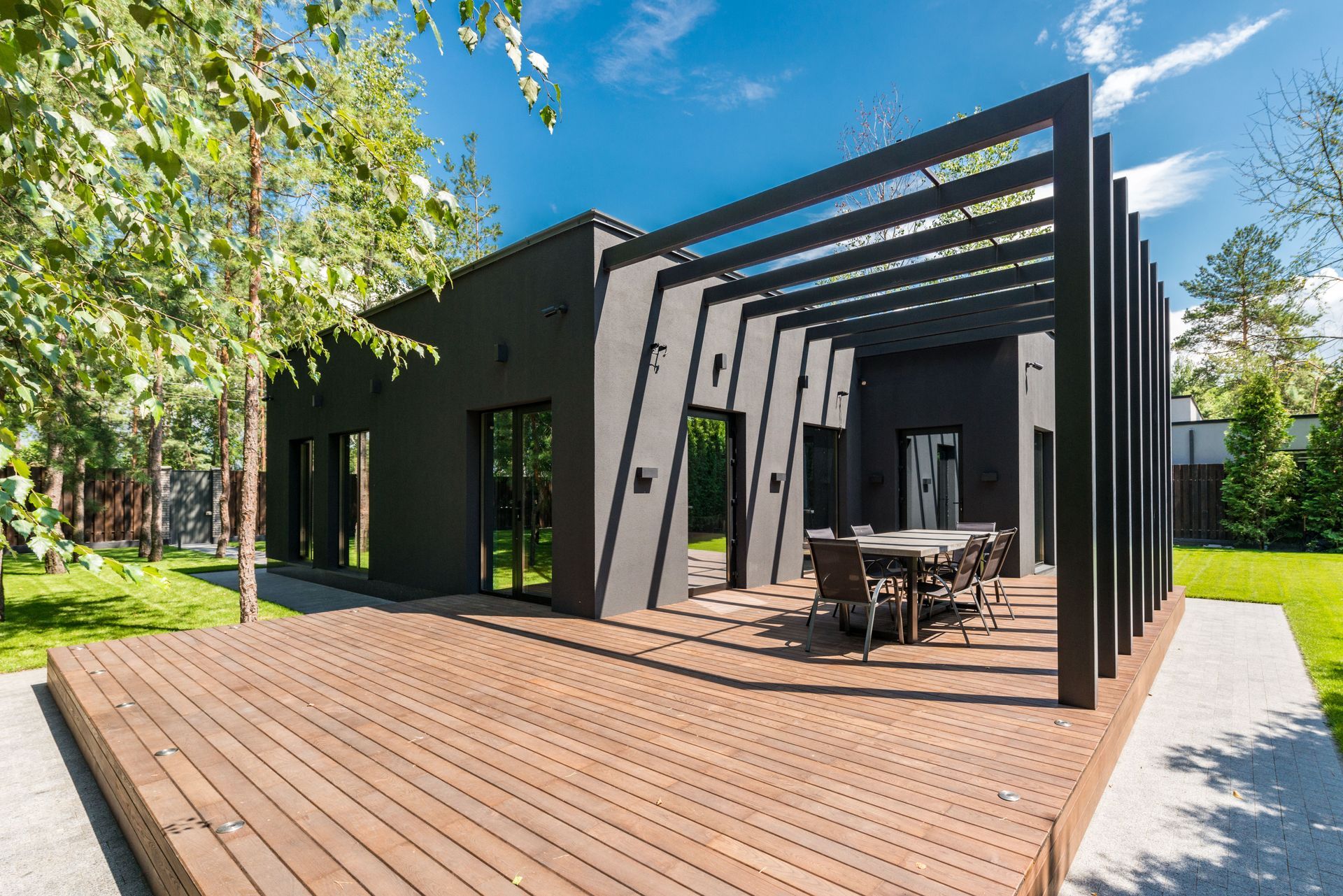
These are the three projects we build most often across Worcester and Middlesex County, and the ROI data on each looks different once you separate the categories. A deck addition cost in Massachusetts tracks close to the national numbers: wood decking recoups roughly 95%, composite closer to 88-89% composite costs more upfront ($25,096 vs. $18,263 nationally) but needs far less maintenance over a New England winter cycle, which is part of why more homeowners here are choosing it despite the lower ROI percentage.
A basement finishing cost in Massachusetts project, newly tracked in the 2025 Cost vs. Value Report for the first time, costs $52,012 on average and returns $36,905 71% ROI, a solid, consistent number that reflects how much untapped square footage most New England homes are sitting on. A full home addition in Worcester or Middlesex County tells a very different story: a midrange primary suite addition costs $170,517 and returns just $55,097 (32% ROI), and an upscale version costs $351,613 for a $63,136 return only 18% ROI, the lowest of any project in the entire 2025 report. That doesn't mean it's a bad investment; it means the return comes almost entirely from livability and long-term use, not resale math, which is exactly why it belongs in a different conversation than a garage door swap.
Why the National Numbers Undersell (or Oversell) Your Massachusetts Return
Zonda's own report is explicit that regional variance is significant, with the Pacific and West South-Central regions posting the strongest overall returns in 2025. New England wasn't singled out as a top performer this year, which matters: it means homeowners here should treat every number above as a starting estimate, not a promise.
Local market conditions matter more than any national percentage. Worcester County's average home value sits at $502,197 as of May 2026, with a median sale price of $453,633, according to Zillow both figures that shape what a given renovation can realistically add back in this specific market. A kitchen remodel in a $450,000 Worcester colonial and the identical remodel in a $900,000 Wellesley home won't return the same dollar amount, even at a similar percentage, because the ceiling on what local buyers will pay is different in each market. This is the piece a national report can't tell you, and it's the first thing we walk through with every client before we recommend a scope.
ROI Isn't Everything: The "Joy Score" Factor
The 2025 Remodeling Impact Report, published jointly by the National Association of Realtors and the National Association of the Remodeling Industry, tracks a different number entirely: the Joy Score, a 1-10 rating of how happy homeowners are with a completed project regardless of what it recoups at resale. The average Joy Score across all project types was 8.2. The three highest-scoring projects — a primary bedroom suite addition, a kitchen upgrade, and new roofing each scored a perfect 10.
That's worth sitting with, because it cuts against the resale-only framing: a primary suite addition returns the least of the major projects in the Cost vs. Value data, but it scores the highest for homeowner happiness in the separate NAR/NARI data. If you're planning to stay in your Worcester or Middlesex County home for the next decade, that's the number that should carry more weight than the resale percentage.
How to Prioritize Your 2026 Renovation Budget
Put the two data sets together and a practical order falls out. If you're renovating specifically to sell within the next year or two, curb-appeal projects a garage door, an entry door, exterior siding return the most per dollar and should come first. If you're staying long-term, prioritize the projects with high Joy Scores that also fit your household's actual bottleneck: an outdated kitchen, a cramped primary bedroom, a basement that's sitting empty. A custom home building project resets this whole calculation, since you're not comparing against an existing structure's ceiling worth a separate conversation if renovating no longer makes financial sense against the cost of your existing home.
Either way, get a written scope and cost estimate before you commit, and weigh it against your specific street, not the national average. You can see examples of that scope discipline in Baystate Group Builders' completed projects across Worcester and Middlesex County, including our approach to energy-efficient, green building practices that increasingly factor into both resale value and monthly utility costs.
Frequently Asked Questions
Does a bigger renovation always add more resale value?
No. The 2025 data shows the opposite in several categories: a minor kitchen remodel recoups more of its cost percentage-wise than a major one, and a midrange bathroom remodel outperforms an upscale version. Bigger budgets raise your ceiling on livability, not necessarily on ROI.
Should I renovate before selling my Worcester County home?
It depends on the project. Exterior curb-appeal work (garage doors, entry doors, siding) tends to pay back the most before a sale. Larger interior remodels are usually a better financial decision if you plan to stay and use the space for years, not months.
How accurate are national ROI percentages for a Worcester or Middlesex County home?
They're a reliable starting point but not a local guarantee. Zonda's own report notes that regional returns vary significantly, and your home's value relative to its neighborhood comps matters more than any single national percentage.
What renovation adds the most livability value, even if the resale ROI is lower?
According to the 2025 NAR/NARI Remodeling Impact Report, a primary bedroom suite addition, a kitchen upgrade, and new roofing each scored a perfect Joy Score of 10 even though a primary suite addition is one of the lower-ROI projects on the resale side.
Ready to talk through what a renovation would actually return on your specific property? Request a free estimate from Baystate Group Builders or call (774) 573-8831.