ADU Construction Cost in Massachusetts: 2026 Guide for Middlesex & Worcester County Homeowners
Massachusetts changed the rules on accessory dwelling units in 2025, and Middlesex and Worcester County homeowners are asking a more practical question than "is this legal now?" They want to know what it actually costs to build one. An ADU can house an aging parent, generate rental income, or add long-term value to a property but the price tag varies enormously depending on size, site conditions, and finish level. Here's what the real regional cost data, financing programs, and permitting process actually look like in 2026.
Why Massachusetts Homeowners Are Building ADUs Now
Section 8 of the Massachusetts Affordable Homes Act amended the state Zoning Act to allow ADUs up to 900 square feet to be built by right in single-family zoning districts statewide, effective February 2, 2025, according to the Commonwealth's official guidance. "By right" means a homeowner in most Middlesex and Worcester County towns no longer needs a special permit or zoning variance to add a single accessory unit to a single-family lot a process that used to require a hearing before the local zoning board in many communities.
We covered the mechanics of the law itself in our full breakdown of the Affordable Homes Act, including what still varies by municipality. This guide picks up where that one leaves off: what building an ADU actually costs once you've cleared the zoning question.
What Does an ADU Cost in Massachusetts?
The most reliable regional benchmark comes from the 2025 Cost vs. Value Report, published annually by Zonda and Journal of Light Construction (JLC), which tracks average job costs for 28 remodeling and construction project types across 119 U.S. markets. For the New England region, the report puts the average job cost for a detached accessory dwelling unit at $173,734 — slightly above the national average of $166,406. That figure reflects a fully built, code-compliant unit: foundation, framing, mechanicals, and finishes, not a bare shell.
That number is a regional average across a wide range of ADU types, so your actual number will move depending on a few variables:
- Detached vs. attached. A standalone backyard cottage with its own foundation, roof, and utility connections costs meaningfully more per square foot than a unit carved out of existing space, like a converted garage or basement.
- Size, up to the 900-square-foot cap. The Affordable Homes Act's by-right provision tops out at 900 square feet; a studio-sized unit will cost less in absolute dollars than one built to the maximum allowed size, even though smaller units often carry a higher cost per square foot due to fixed expenses like a kitchen and bathroom.
- Site conditions. Grading, ledge, an undersized septic system, or a long run to bring water, sewer, and electrical service to a detached unit can add tens of thousands of dollars before framing even starts.
- Finish level. A builder-grade studio and a fully custom in-law suite with high-end finishes can differ by six figures on the same footprint.
Converting Existing Space vs. Building New
Not every ADU means new construction from the ground up. Some Middlesex and Worcester County homeowners convert an attached garage, finish a walkout basement, or build over an existing footprint instead of adding a detached structure in the yard. Conversions can come in below the regional detached-ADU average because they reuse an existing foundation and roofline, but they carry their own cost drivers: bringing an unheated garage up to livable code (insulation, egress windows, ceiling height), running a separate utility metering setup if you want the unit to function independently, and in some cases relocating existing storage or parking.
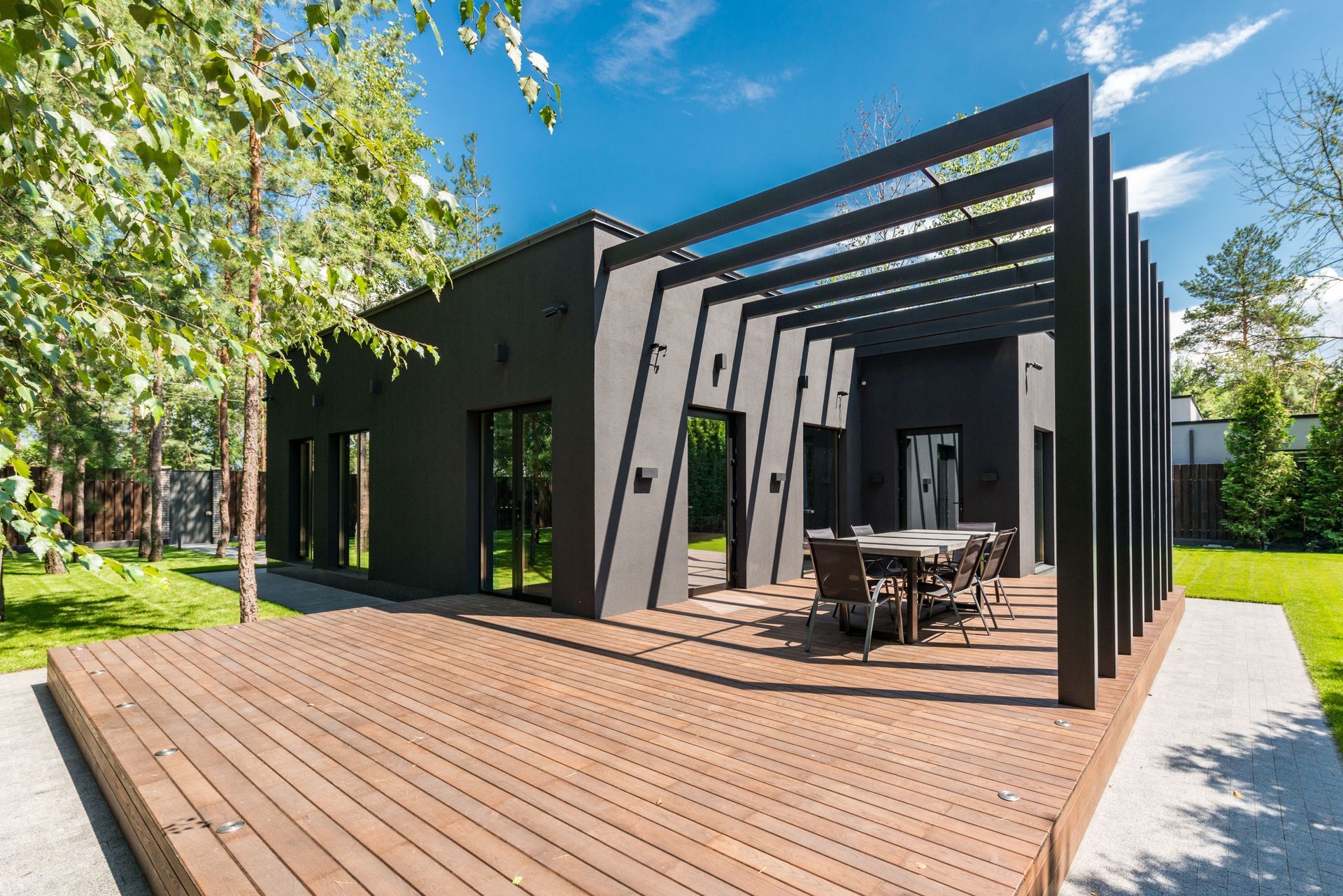
A detached backyard ADU costs more per square foot up front new foundation, new roof, new utility runs from the street or the main house — but it keeps the existing house intact and untouched during construction, which matters if the main home stays occupied through the build. Which approach makes sense depends on the lot, the existing structures already on it, and whether the unit needs to function as a fully separate address for a tenant or simply as private space for a family member.
What an ADU Is Actually Worth at Resale
The same 2025 Cost vs. Value data puts the average resale value an ADU adds in New England at $70,654, for a cost-recouped rate of 40.7% — meaning most of what you spend building an ADU is not something you get back dollar-for-dollar if you sell shortly after. That's lower than kitchen and bathroom remodels, and it's the honest number, not the one that gets repeated in real estate marketing.
What that figure misses is ongoing value: rental income, space for a family member, or simply more usable square footage on a property you plan to keep for years. An ADU is closer to a long-term utility investment than a house-flipping strategy, and it should be evaluated that way.
How to Pay for an ADU: Massachusetts Financing Programs
Construction costs in the $150,000–$175,000+ range put an ADU out of reach for many homeowners paying cash, which is part of why the state has built financing programs alongside the zoning change. MassHousing's Accessory Dwelling Unit Loan Program (ADULP) offers loans of up to $250,000 for detached ADUs and up to $150,000 for attached ADUs, structured as a second mortgage that combines an amortizing, interest-bearing loan with an additional zero-interest deferred-payment loan, through participating lenders statewide.
Some municipalities layer local assistance on top. Boston, for example, runs an ADU Financial Assistance Program offering up to $50,000 in 0% gap funding for income-eligible homeowners a reminder that it's worth checking with your specific town or city, since local ADU incentive programs are expanding as the by-right law takes effect. Middlesex and Worcester County homeowners should ask their town's planning or housing office directly what, if anything, is available locally before assuming the MassHousing program is the only option.
The Permitting and Build Process
By-right zoning approval removes the special-permit hearing, but it does not remove building permits, plumbing and electrical permits, or Title 5 septic review where a property isn't on municipal sewer an ADU still adds a bedroom and a bathroom's worth of wastewater flow that a septic system has to be sized to handle. We walk through the permit sequence, inspections, and Title 5 considerations in detail in our ADU permitting guide. The short version: budget real time for plan review and inspections, and don't assume "by right" means "no paperwork."
Because an ADU touches structural, mechanical, and often septic systems all at once, it's a project where the contractor's licensing and experience matter more than on a cosmetic remodel. If you're vetting builders, our guide to hiring a general contractor in Massachusetts covers the HIC registration and CSL license checks worth doing before you sign anything.
Building Green Adds Cost Now, Saves Later
Because an ADU is new construction on a small footprint, it's also one of the more efficient places to build in energy-efficient systems from day one rather than retrofitting later better insulation, a heat pump instead of a fossil-fuel furnace, tighter air sealing. We cover the specific Massachusetts tax credits and Mass Save incentives available for this kind of work in our green building guide. On a unit this size, the incremental cost of going green is smaller in absolute dollars than on a full custom home, which makes it one of the better times to do it.
At Baystate Group Builders, this is where our background matters: we've been building and remodeling in Middlesex and Worcester Counties since 2005, with a track record on custom home and addition pricing across dozens of towns, including Natick, Framingham, and Hopkinton. An ADU pulls on the same skill set as a custom home site work, foundation, mechanicals, permitting just at a smaller scale.
Frequently Asked Questions
How much does it cost to build an ADU in Massachusetts?
Regionally, the 2025 Cost vs. Value Report puts the average New England job cost for a detached ADU at $173,734, though your actual cost depends heavily on whether it's attached or detached, its size up to the 900-square-foot by-right cap, site conditions, and finish level.
Do I still need a permit if my ADU is allowed "by right"?
Yes. By-right zoning removes the special permit hearing requirement, but standard building, plumbing, electrical permits, and Title 5 septic review (where applicable) still apply.
Is there financing available specifically for ADUs in Massachusetts?
Yes. MassHousing's ADU Loan Program offers up to $250,000 for detached units and up to $150,000 for attached units, and some cities and towns offer additional local assistance.
Will an ADU pay for itself when I sell my house?
Not directly at resale — New England data shows roughly 40.7% of the construction cost is recouped in resale value. The stronger case for an ADU is rental income or housing a family member, not a short-term flip.
Is it cheaper to convert a garage or basement than to build a detached ADU?
Often, yes, per square foot, since a conversion reuses an existing foundation and roof. But bringing an unheated space up to livable code, insulation, egress windows, independent utilities adds cost that a bare cost-per-square-foot comparison can miss, so it's worth pricing both options for your specific property before deciding.
Can I rent out an ADU to a tenant who isn't a family member?
The Affordable Homes Act's by-right provision governs zoning and construction; whether you can rent to an unrelated tenant, use it short-term, or restrict it to family depends on your municipality's specific bylaw, which is one of the details worth confirming with your town before you design the unit.
If you're weighing an ADU for a Middlesex or Worcester County property, Baystate Group Builders can walk through site-specific cost drivers, zoning specifics for your town, and financing options. Get a free ADU construction estimate to see a real number for your property, not a regional average.